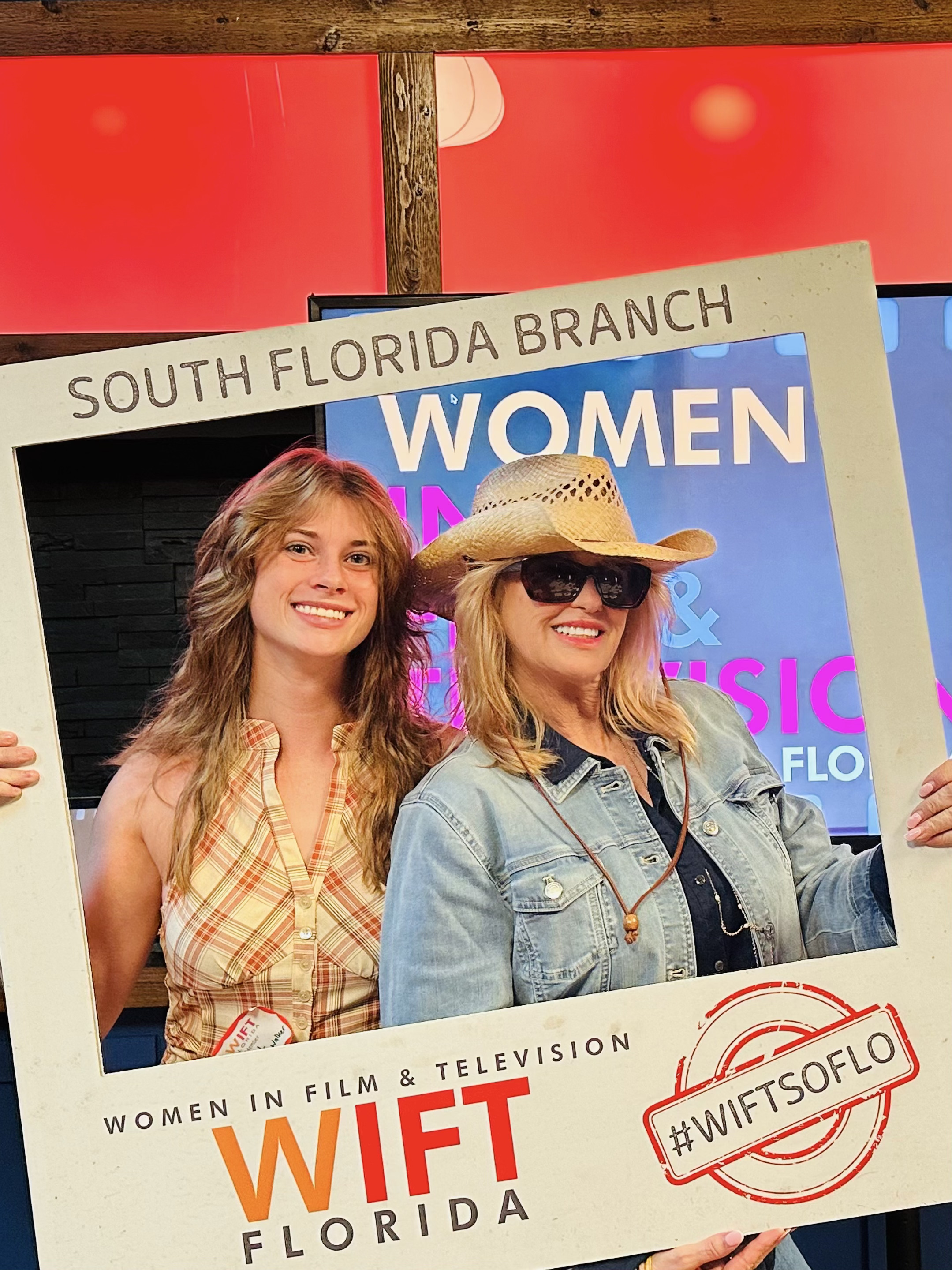
These women are clever, smart, elegant, and poised—adapting their expertise in the film and television industry to their own personalities. They occupy pivotal executive, creative, and starring roles that shift cultural norms, dismantle old stereotypes, and reflect real-world diversity.
They are Women in Film & Television Florida members, increasingly gaining turf and breaking barriers in a traditionally male-dominated industry.
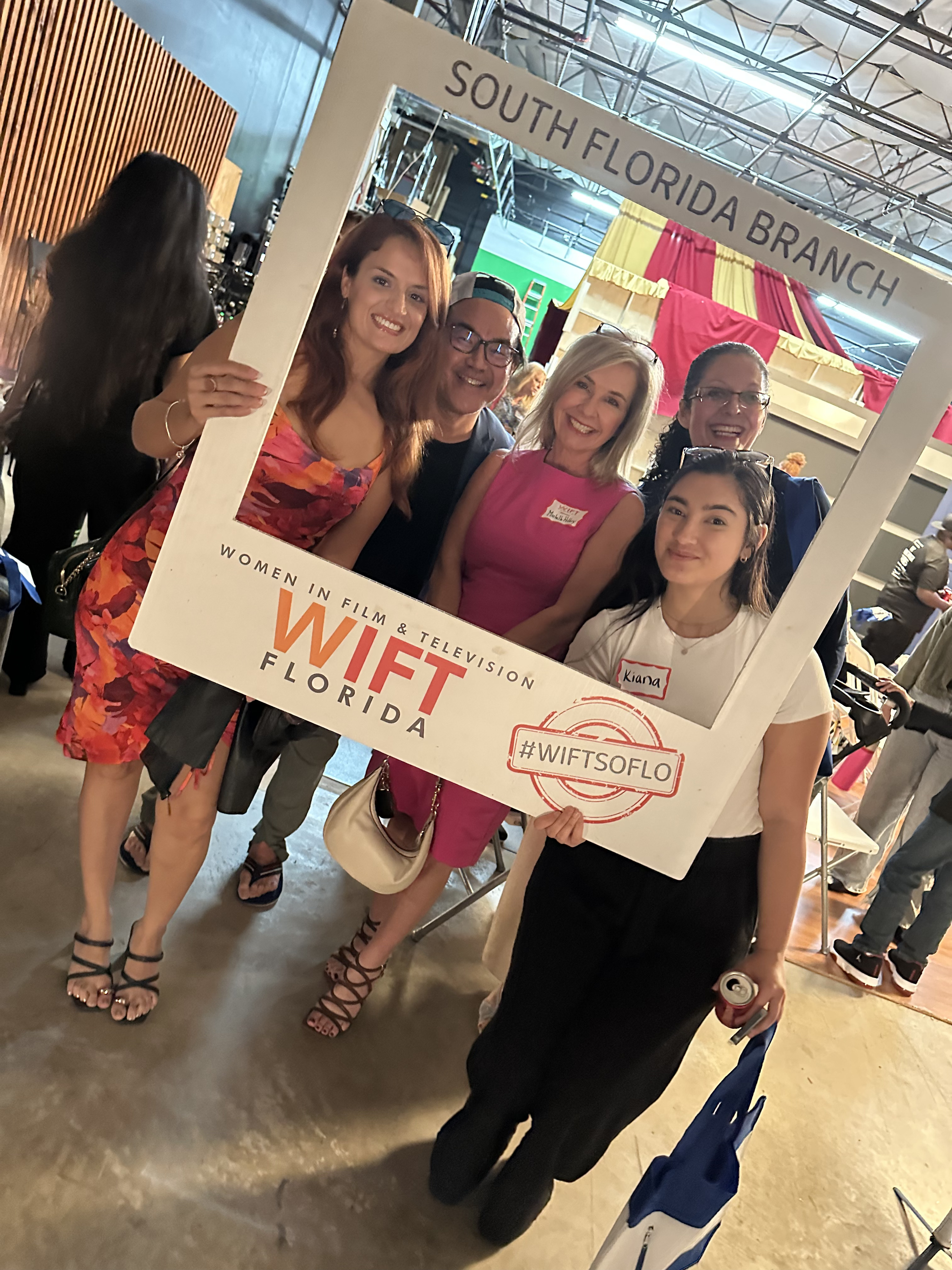
The Florida Chapter
There are various factors behind Women in Film & Television Florida (WIFT-FL )'s rise in power. They vouch for and elevate each other.
“I have been a champion for women in the entertainment business for 30-plus years,” says Mo Fitzgibbon, writer, producer, director, and a professional member and a Board of Directors member of Women in Film & Television Florida. “Sometimes I can’t sleep at night thinking about some of the issues that women are still facing today within the film business. Equality is my number one priority.”
Though women hold prominent studio roles, such as leaders at major entertainment companies, allowing them to greenlight diverse projects, there’s still much ground to cover, says Fiftzgibbon. Being part of an organization such as WIFT-FL is a step in the right direction.
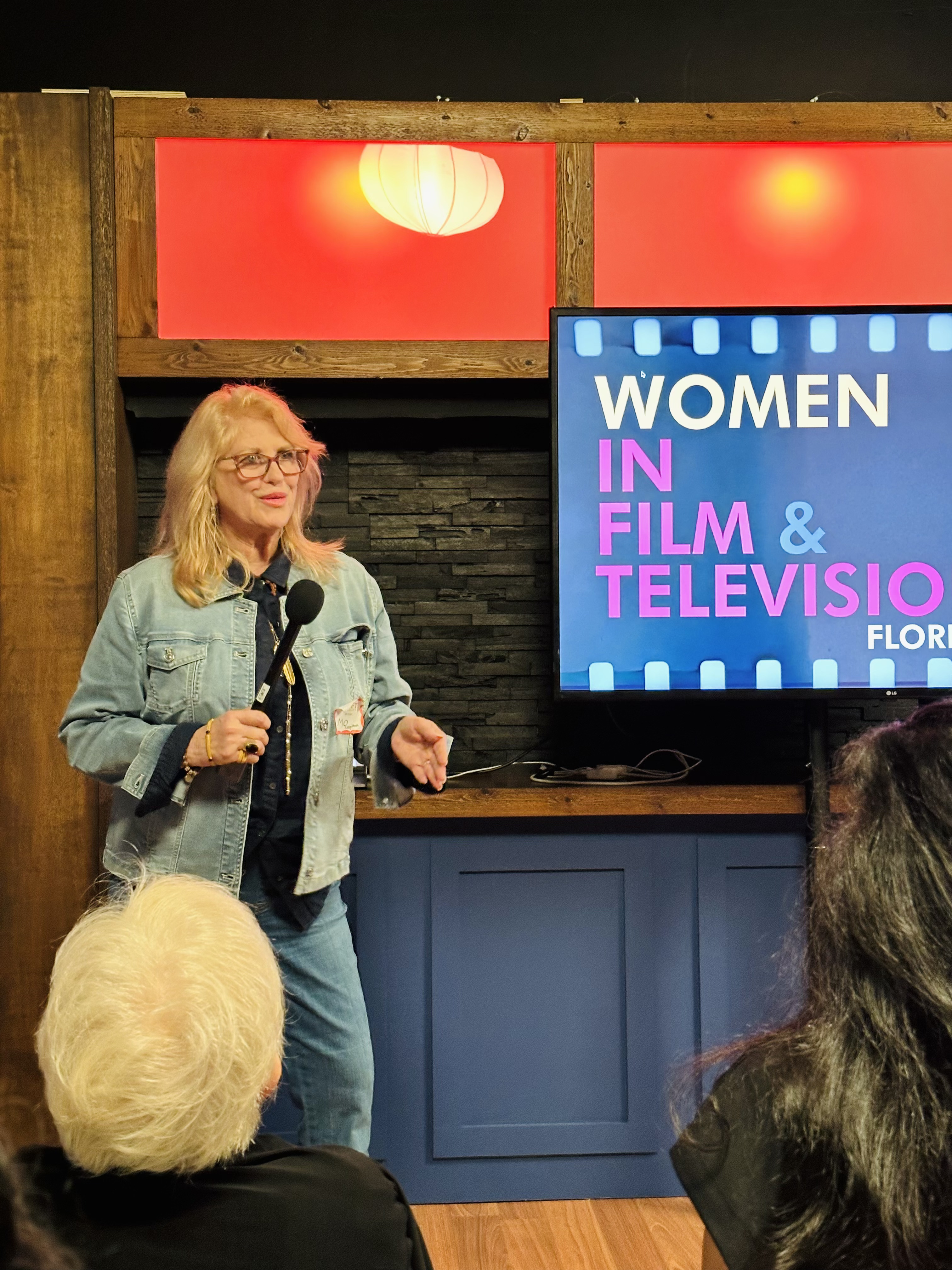
The Florida Chapter is made up of six branches from Orlando to Key West, Tampa, St. Petersburg, and Jacksonville. Its membership includes professional film, TV, and commercial writers, producers, directors, production designers, stylists, editors, and other production personnel with major credits. To join, you must be approved and submit your credentials. The board reviews the resume and mission statements.
“The goal of the organization is to educate, guide, and nurture other colleagues and give a leg up to their members, “ explains Fitzgibbon.
Interestingly enough, men can join WIFT-FL too. Why would they do it? Simple enough. To connect with the WIFT-FL members—directors, line producers, executive producers, coordinators… women producing everything in South Florida, and inspiring women filmmakers to advance the film and television industry in this region.
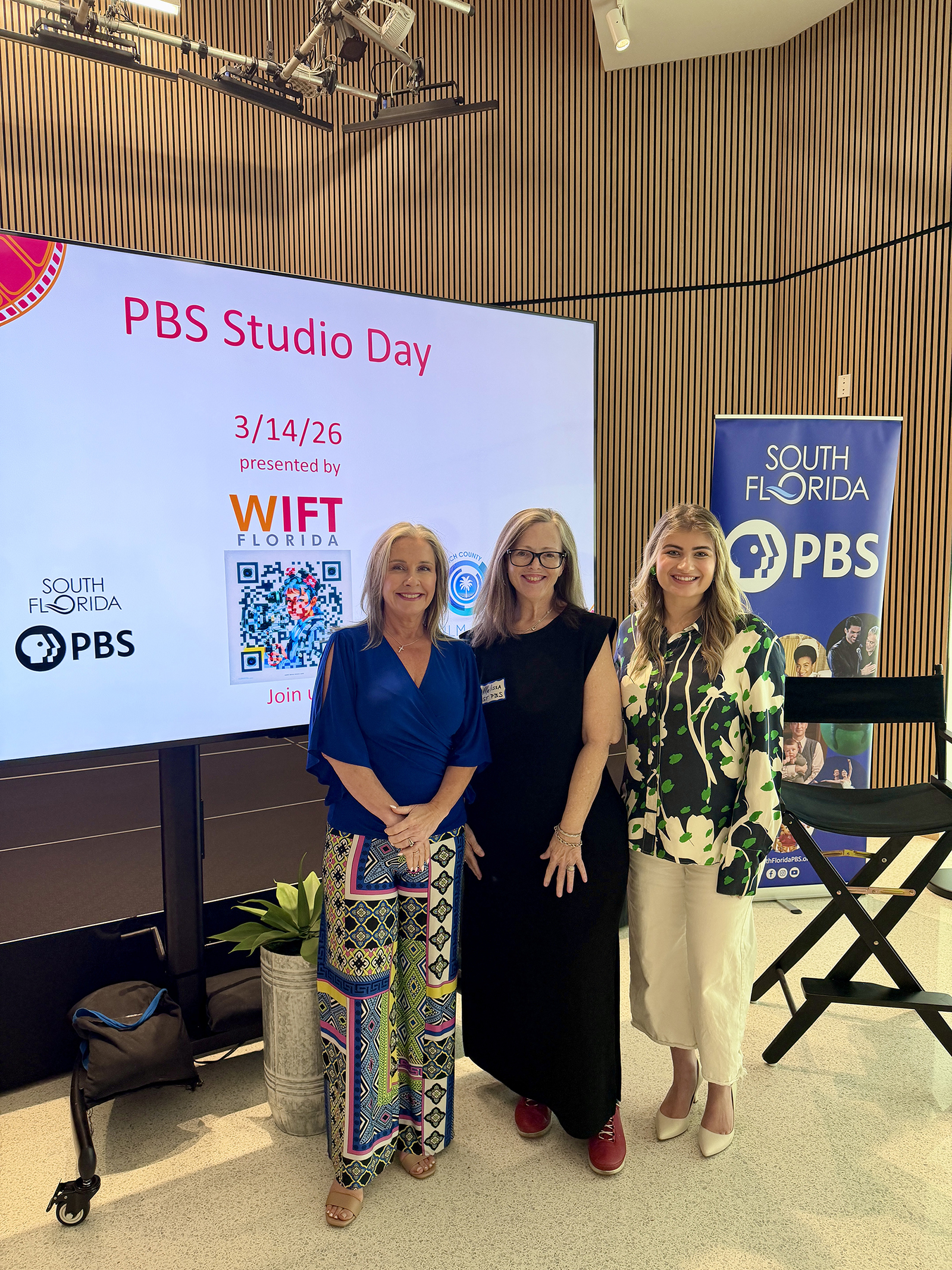
“As an active member of Women in Film & Television Florida, I've seen firsthand the important role the organization plays in supporting women through networking, mentorship, education, and professional development,” says Michelle Hillery, Palm Beach County Film & Television Commissioner.
“We're proud to partner on networking events, educational panels, and industry discussions that bring filmmakers, students, and creative professionals together. Those collaborations create new opportunities, encourage mentorship, and inspire the next generation of women in film and television.”
As the state’s premier organization for women creators, WIFT-FL offers two active project funding opportunities for current members: the Short Film Finishing Fund Grant (up to $2,000) and the Feature Film Finishing Fund Grant (up to $3,000). Both grant cycles are accepting applications through September 1, 2026. So, who’s eligible to apply? And where do they apply?
To apply, you have to join WIFT-FL first and become a professional member to have access to their grants and scholarships. Once you are a member, you will have access to the application forms and guidelines.
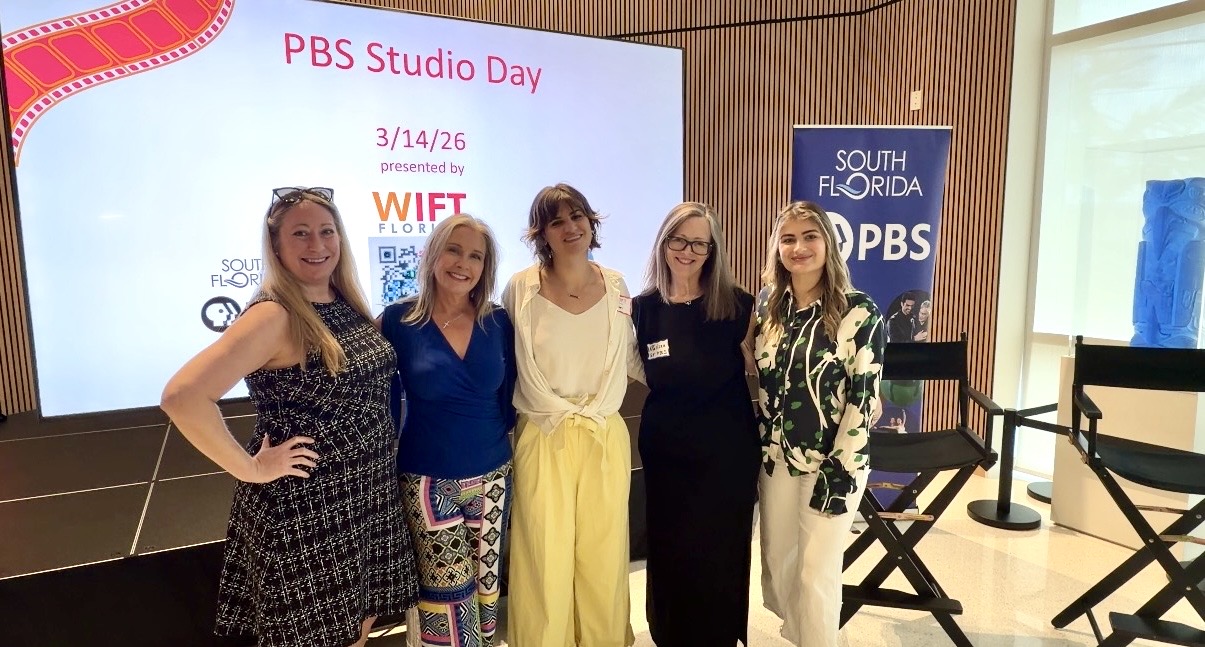
In addition to professional memberships, WIFT-FL offers student, teacher, and corporate memberships. All levels available for a very low membership fee.
For over 20 years, WIFT-FL has provided scholarships and grants to aspiring and experienced filmmakers. The grants and scholarship funds are for the filmmaker. They must write an essay and tell the board why they should receive the funds to finish their short film. It is the job of the filmmaker to create its success through promotion, festivals, meet-and-greets, and screenings.
“The eventual goal is distribution or taking what you have and creating a pitch for an idea,” explains Fitgibbon. “Short films, unless you have a buyer, are mostly for the filmmakers to showcase their work and ideas for feature-length and/or series for a network, stream, and festivals.”
WIFTV FL also offers many workshops and events at the different branches. For listings, check out their website womeninfilmfl.org.
“Women have to stick together. And you have to be a high-achieving type of person to survive it!” concludes Fitzgibbon. “We have to continue to connect, show up at the local events, find out who’s who in town, and who the leaders of women are in the entertainment business.”
Female Filmmakers Shifting the Narrative
The narrative shared at these branches empowers its members. In the industry, there’s an increasing number of female directors, writers, cinematographers, and producers who shape the way stories are told. Female characters are no longer confined to passive love interests or damsels in distress; instead, roles are being crafted as multi-dimensional leaders and anti-heroes.
Movements like #MeToo have also forced the industry to address abuse, leading to structural shifts like diversity-contingent production funding.
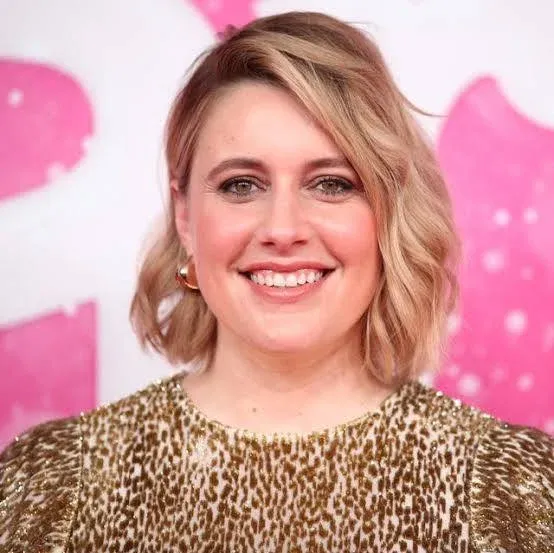
Pioneering female directors in Hollywood today include Greta Gerwig, Chloé Zhao, and Ava DuVernay, who break box-office records, win major awards, and reshape mainstream and independent cinema with unique storytelling perspectives.
Greta Gerwig
- Key Films: Lady Bird (2017), Little Women (2019), Barbie (2023)
- Impact: First solo female director with a billion-dollar film, known for sharp, empathetic coming-of-age stories.
Chloé Zhao
- Key Films: Nomadland (2020), Eternals (2021)
- Impact: First woman of color to win the Academy Award for Best Director, blending poetic realism with blockbuster scale.
Ava DuVernay
- Key Films: Selma (2014), 13th (2016), Origin (2023)
- Impact: First Black female director nominated for a Best Picture Oscar, championing diverse narratives and inclusive distribution through her collective IMDb.
The Box Office tells the real story. Gerwig's Barbie brought in ($1.4 billion), Coralie Fargeat’s body-horror critical darling The Substance ($77 million), the Keke Palmer and SZA buddy comedy One of Them Days ($51 million), and Blake Lively's romance drama It Ends with Us ($351 million).
For the first time ever, women are optimistic about their roles in the film & television industry, and WIFTV FL is sharing that and more at their events. While on camera, female characters are given depth, complexity, and leadership roles, sending a clear message to audiences of all ages; behind the cameras, where decisions are made, female filmmakers are gaining true recognition.
Here on our own Florida’s turf, there’s a supremely chic collective of women instrumental in advancing WIFT’s mission in growing its membership, empowering and mentoring women, in addition to promoting Florida filmmaking.