
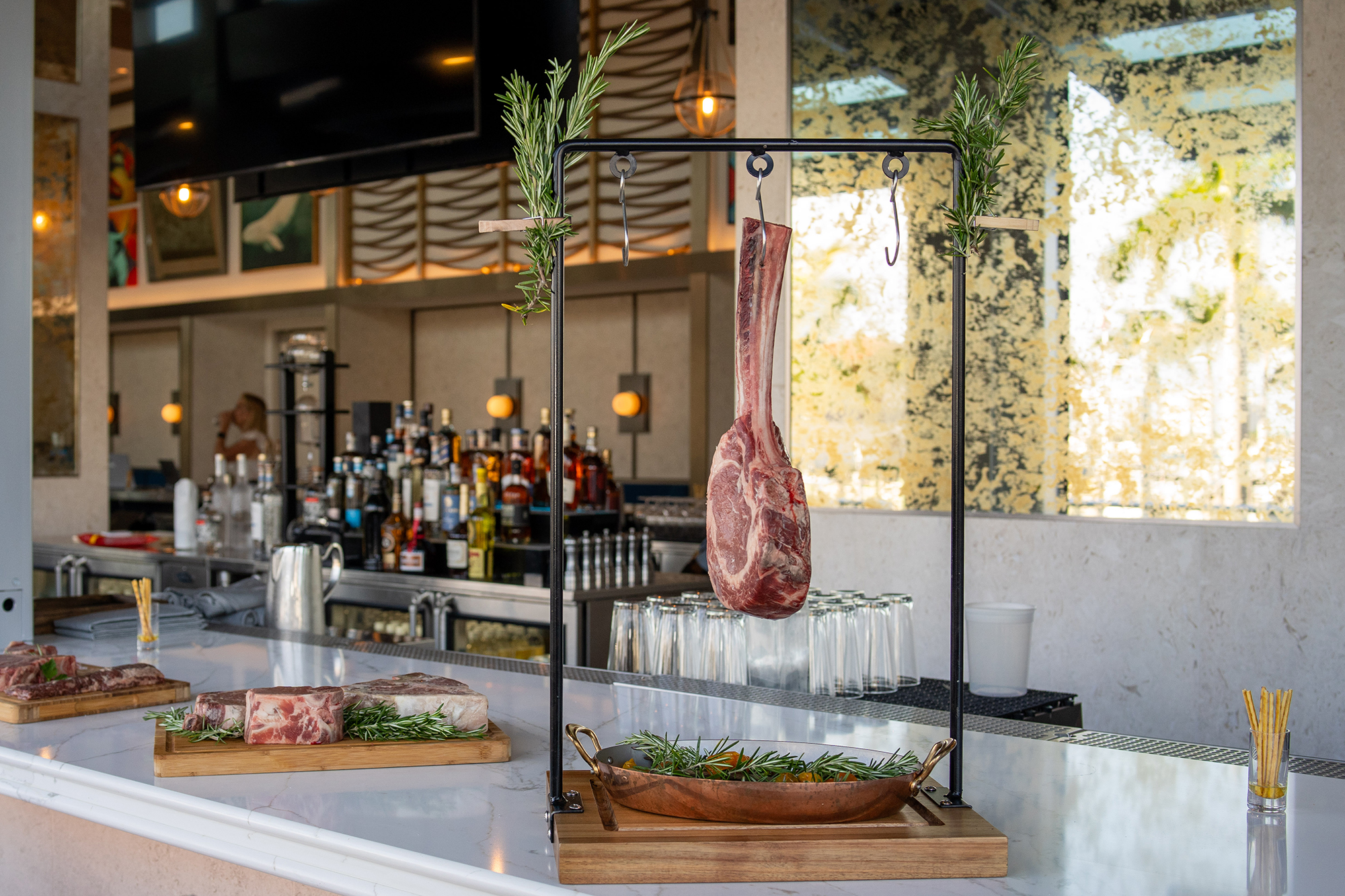
The right people in the right room are what make a dining experience good. That’s no secret. So as my daughter Alexandra and I walked through the elegant entrance of Seahawk Prime by David Burke and saw the filtered light make the room reflect the sun-glade stretching across the marina toward the horizon, that magnificent view already suggested the kind of restaurant it was—Upscale. Inventive. Casually Sophisticated. It soon became part of our favorite South Florida waterfront dining experience.
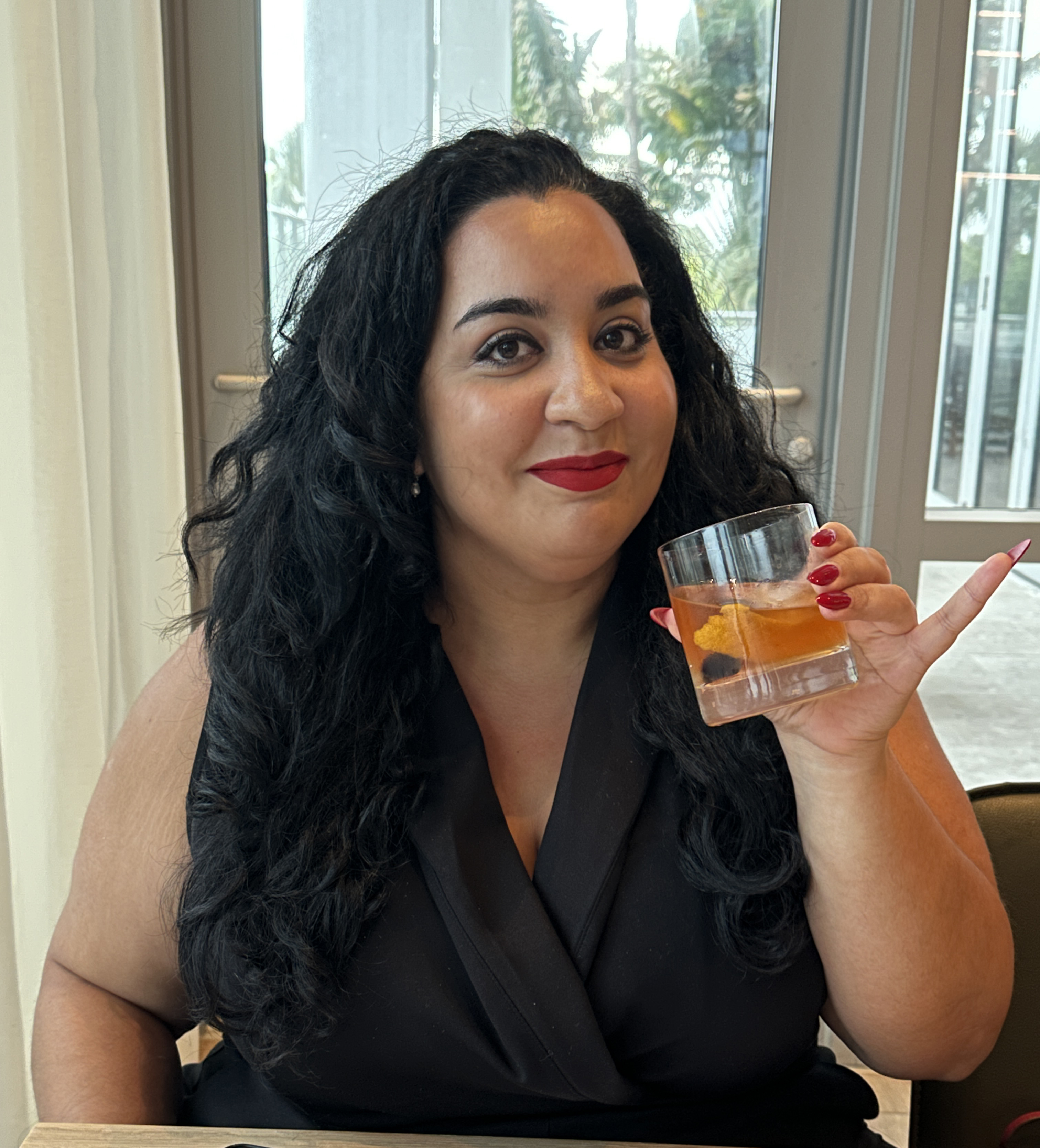
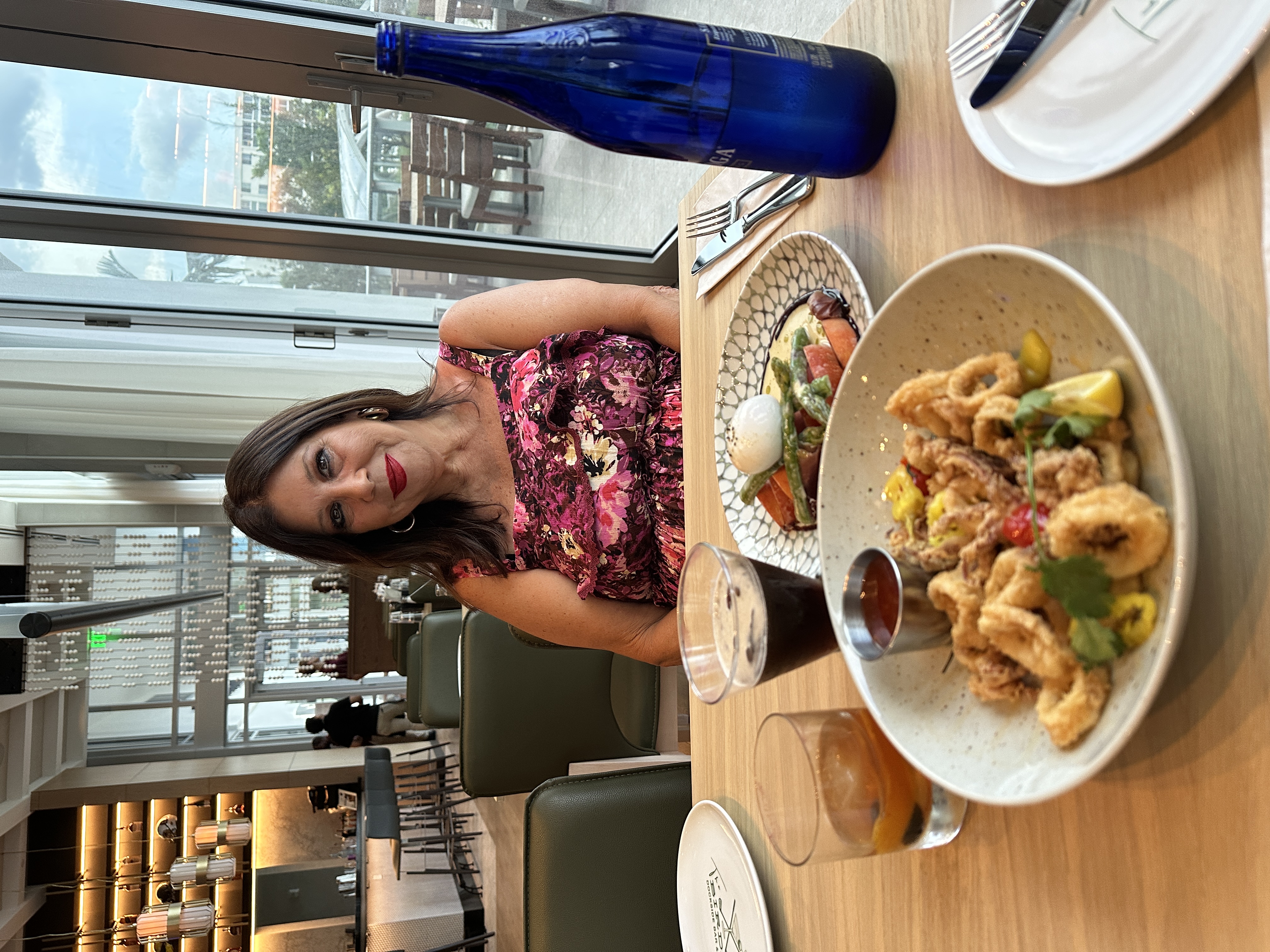
Seahawk Prime is located inside Nautilus 220 on Lakeshore Drive, a luxury residential tower overlooking the Lake Park Harbor Marina in Lake Park, Florida, which provides direct water access to the Intracoastal Waterway.
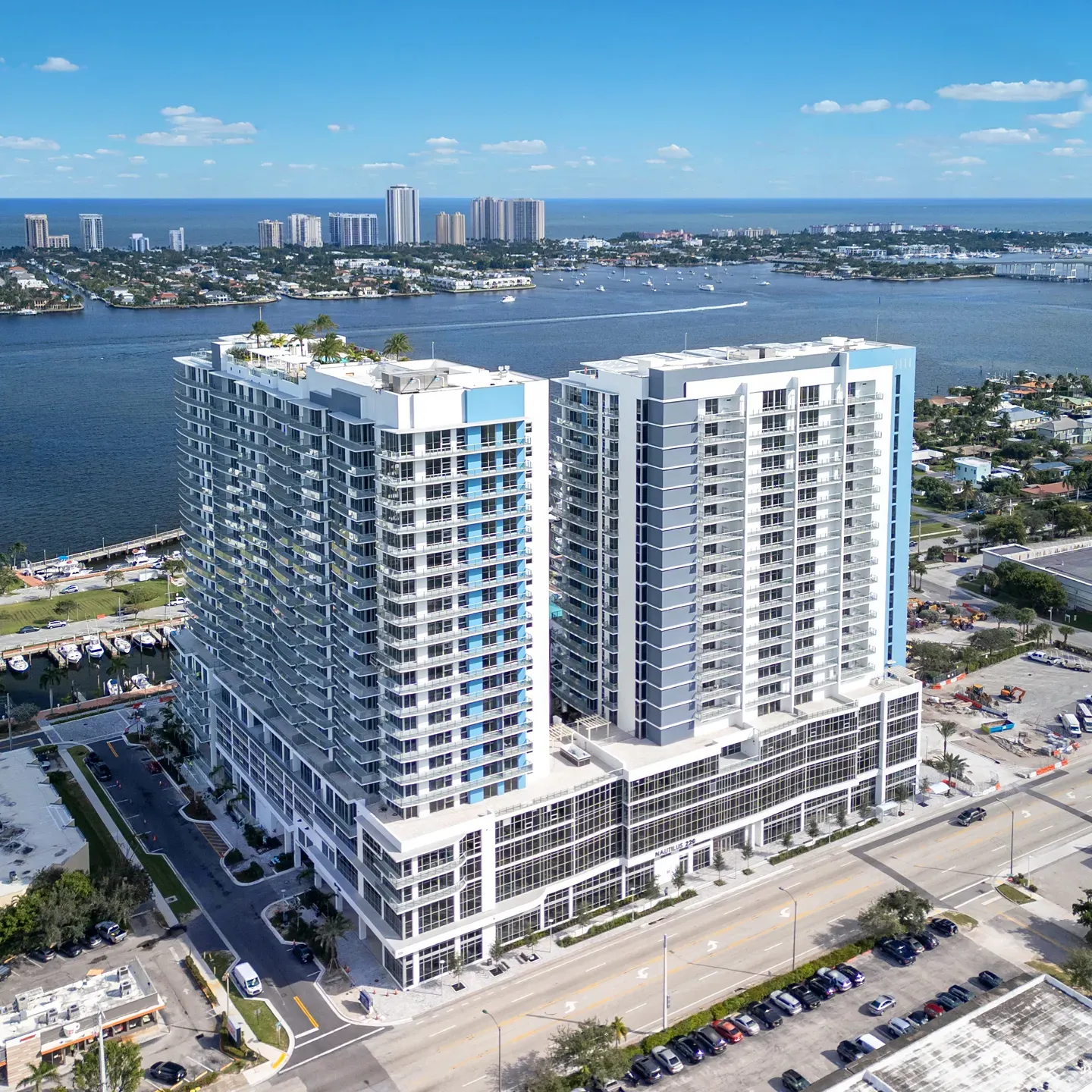
Known for its historic charm, outdoor parks, and lively arts scene, Lake Park offers a cozy small-town feel right next to larger nearby coastal cities such as West Palm Beach, Singer Island, Palm Beach Gardens, Jupiter Beach, and Juno Beach.
Next door to Seahawk Prime is The Birdie by David Burke, an upscale sports bar with water-view outdoor spaces, three golf simulators, live music, trivia night, burgers and beers, crispy pork belly quesadillas, and refreshing cocktails.
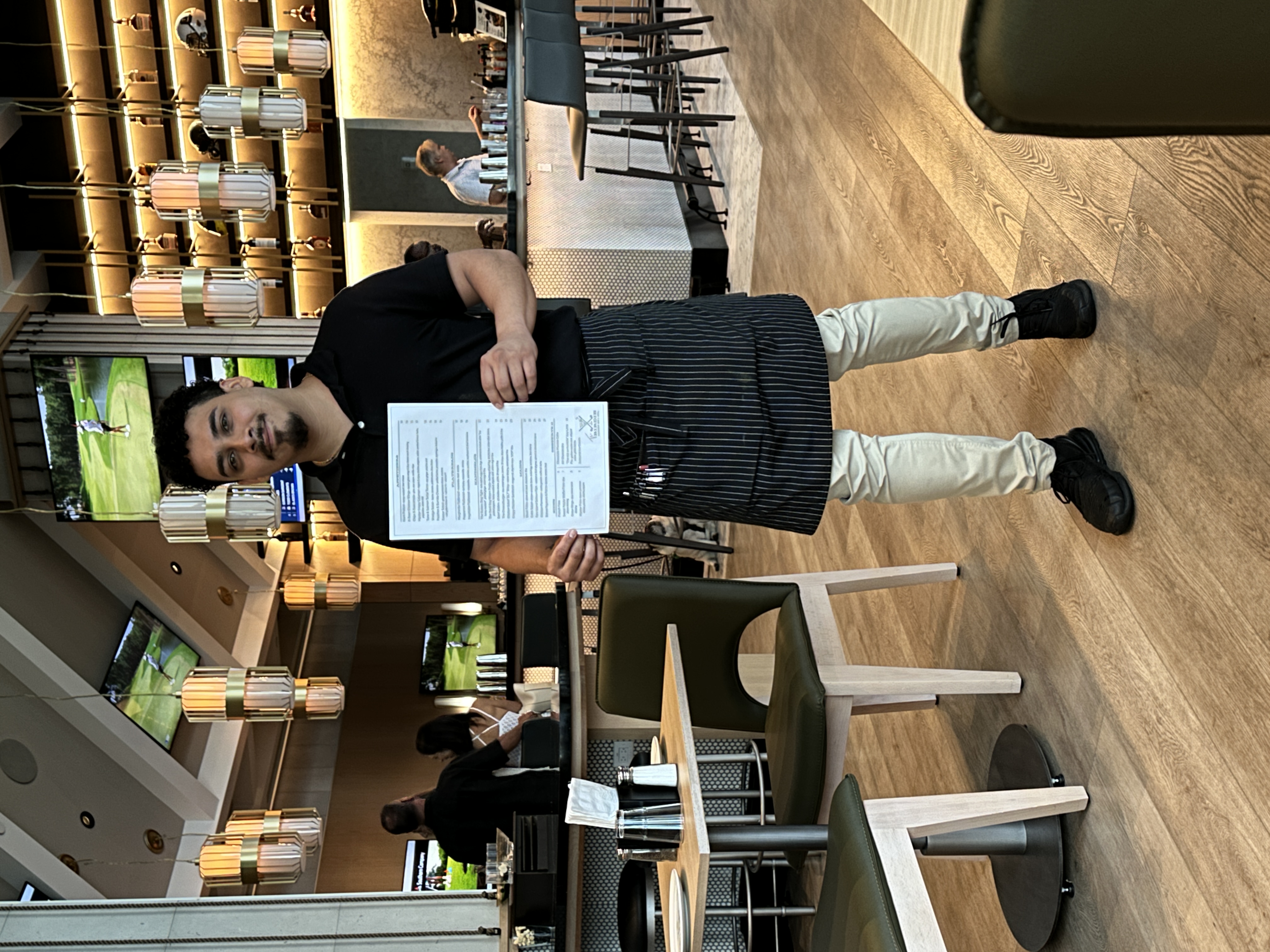
If you’re a confident individual who thrives on social interactions as I do, I recommend The Birdie’s Espresso Martini. This popular cocktail, made with freshly brewed coffee and vodka, would perfectly complement your vibrant personality and Chef David Burke’s.
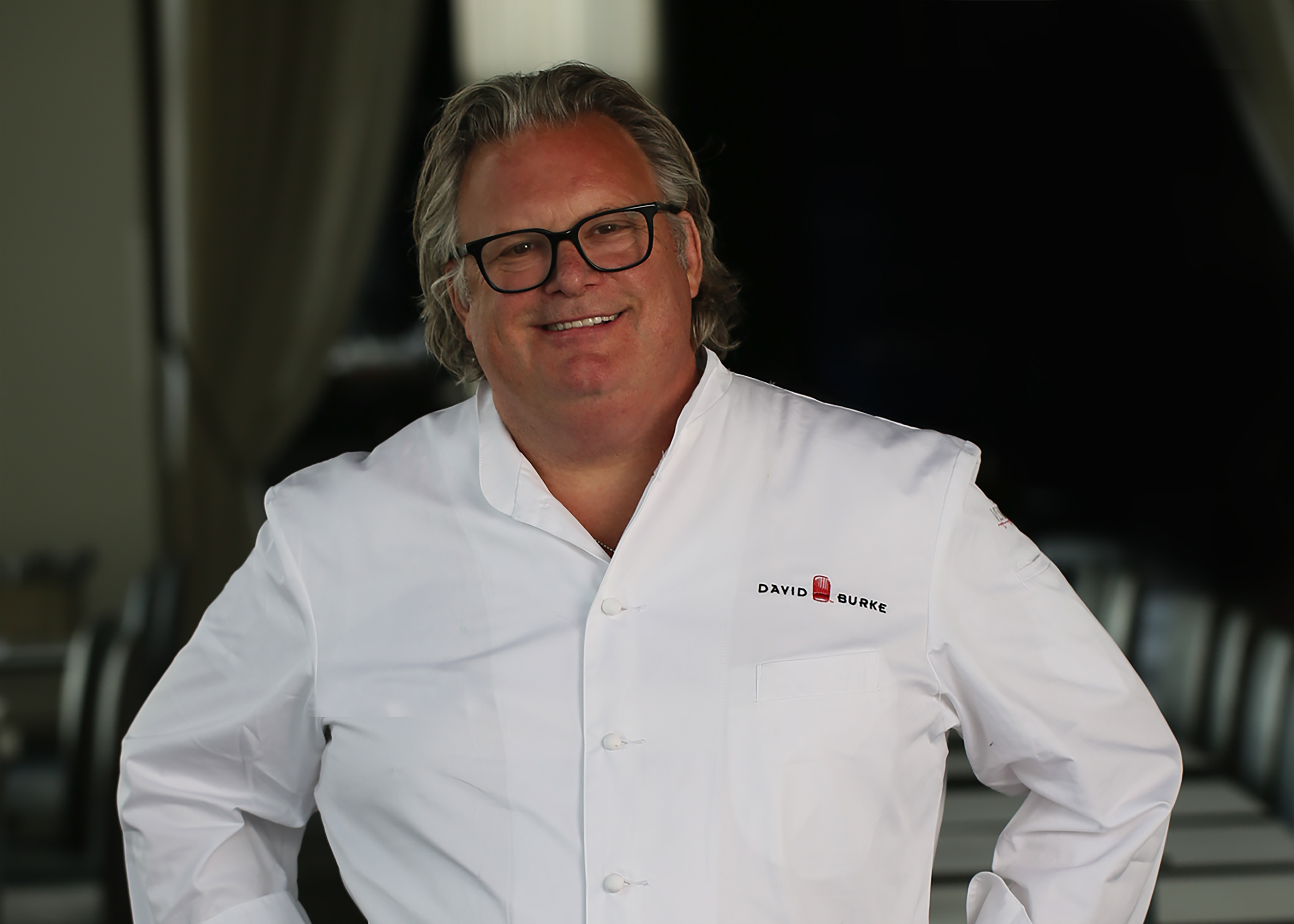
Award-winning Chef Burke likes to push his boundaries between playful creativity and culinary innovation. So, it’s no surprise that his first Florida steakhouse, Seahawk Prime, has a thoughtfully curated menu that highlights the freshest ingredients, Florida’s seasonal flavors, and delectable prime beef cuts.
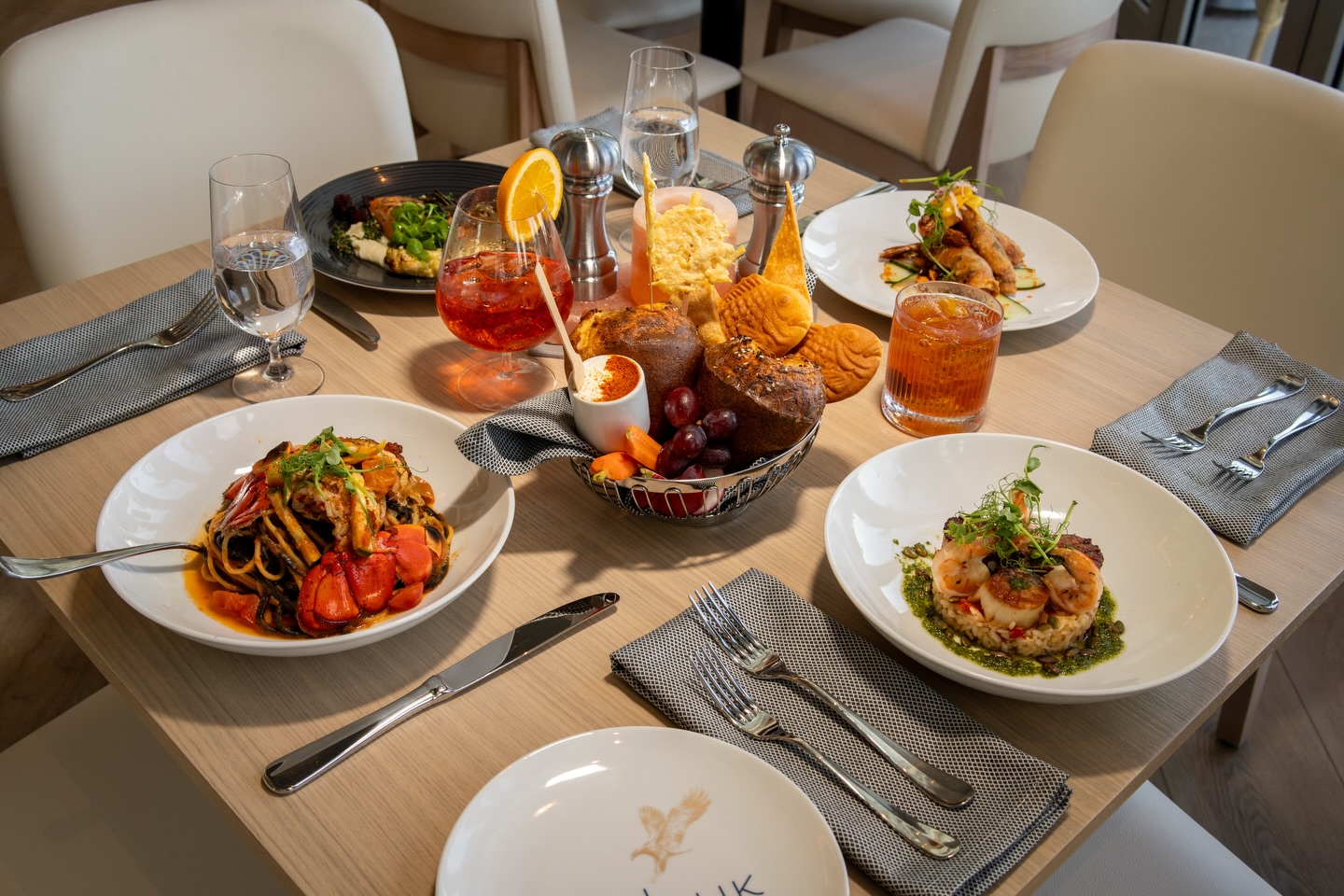
Chef David’s dish presentations transform modern American fine dining into an interactive, theatrical experience, using clever food engineering and unexpected visual twists. We utilized small crab claws embedded in the lobster dumplings like lollipop sticks for an easy, deeply enjoyable bite. Later on, the “Warm Chocolate Tin Can Cake” for dessert was very literally served in a red tin can, from which our server graciously carved thick and decadent slices of steaming hot cake, topped with vanilla gelato, Heath bar crumbles, and a velvety caramel anglaise.
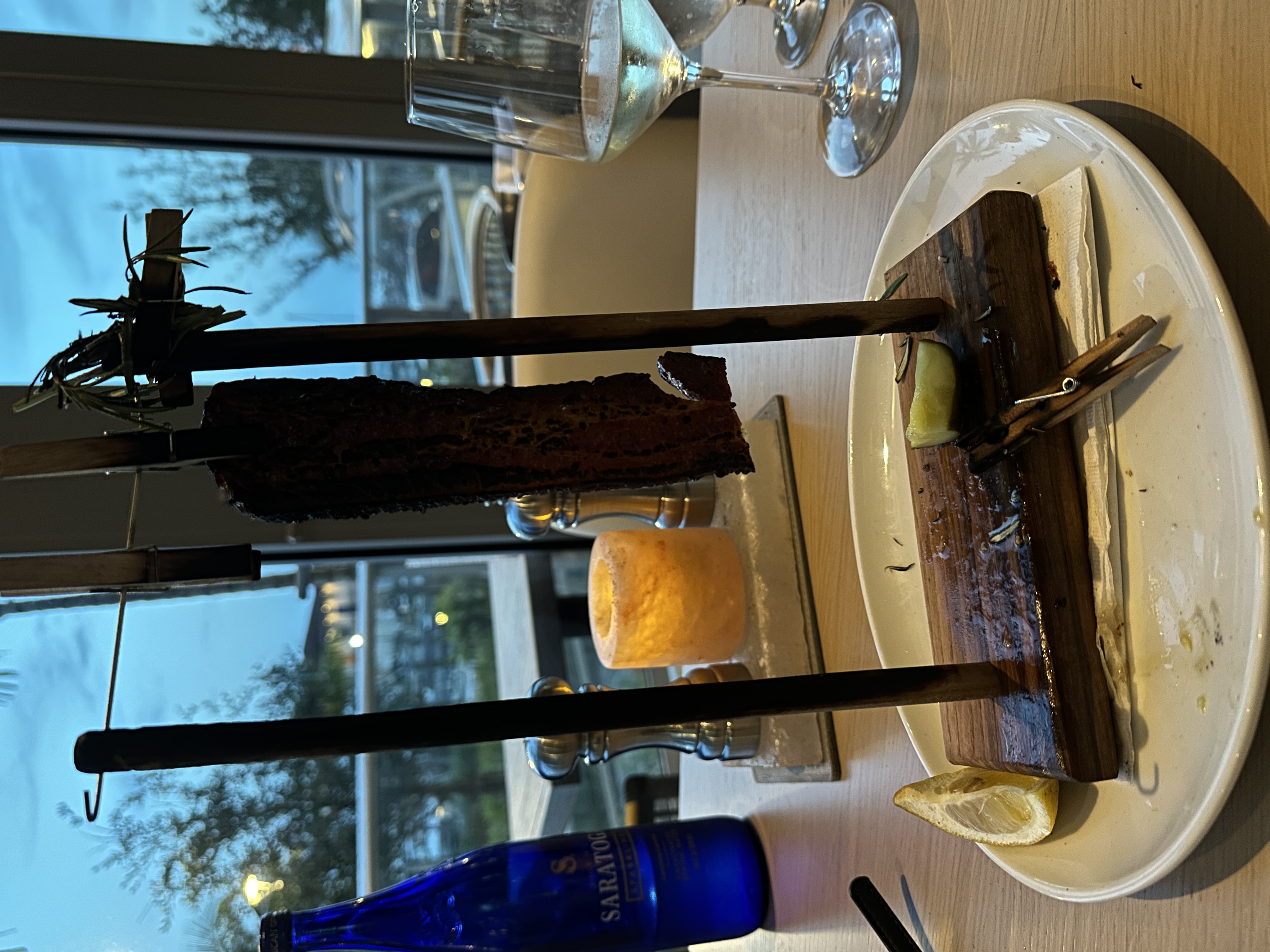
However, his most famous of these examples is an appetizer, “When Pigs Fly,” where he serves thick-cut bacon suspended vertically on miniature clotheslines. A blowtorch sets fire to the meat for a perfect crisp (and a highly impressive Instagram-worthy moment), and a small, perfect pickle lays dormant underneath, absorbing hot bacon grease. You wouldn’t think these two flavors are a good pairing, but indeed, they are—rich and savory from the meat combined with umami from the pickle, all with a unique flair. And that innovative whimsy is what I’ve come to love about Chef Burke’s culinary creations.
The Interview
Chef David Burke: But whimsy has to come with the deliciousness and great execution, right? It has to have a meaning and a foundation. When you pull it together, then it's like, aha! That makes sense. Like hanging the bacon on a clothesline makes sense because the fat drips off it and you cut it with a pair of scissors. So the whole thing works as an interactive, creative idea. And it's also delicious.
Maritza Cosano: I would have never thought of pairing a pickle with bacon…
DB: The pickle has a lot to do with the digestion. When you eat bacon with sugar on it, like maple, it sits on your tongue. The sugar doesn't melt that quickly. It's like a candy. So when you hit that acid from the pickle, all of a sudden, it breaks up all of that sugar and makes all the juices run in your mouth. And all of a sudden, it becomes a new flavor.
MC: Makes sense. What is the hallmark of the David Burke brand?
DB: We're trying to be unique in more than one way. Some of it is in design, and some of it is in the culinary presentation. We're trying to think outside the box and do things that are unique to my personality and my culinary skill. We don't try to copy other people; we try to be in front of that. We're not afraid to break the rules. So we've got a lot of hidden little touches in there. Quality is the end game. But we try to be somewhat creative, and so we have the rolling carts that come out to the tables, leaving an element of surprise. We want to impress people. When you come to my restaurant, I don't want you to just eat good food; I want you to have a good time, and to be impressed
MC: We definitely were. I particularly enjoyed the chocolate Tin Cake. A little over the top and simply delicious.
DB: A little bit over the top. That’s exactly as it should be. The best part of that cake is getting the beaters with the batter before you get the cake. “What is that?” People say, when we bring the small bowl with the beaters smothered in the batter like your mother used to make. And that element of surprise is the hook. The cake is a chocolate soufflé baked to order, served from a can you share.
MC: Yes, Daniel Fish, your food and beverage manager, brought it to us, and we had that same reaction, but oh boy! When we tasted the cake, it was like love in a can. Tell me about the Titanic French Toast, which I can’t wait to try one of these days for brunch. How did you come up with that signature dish?
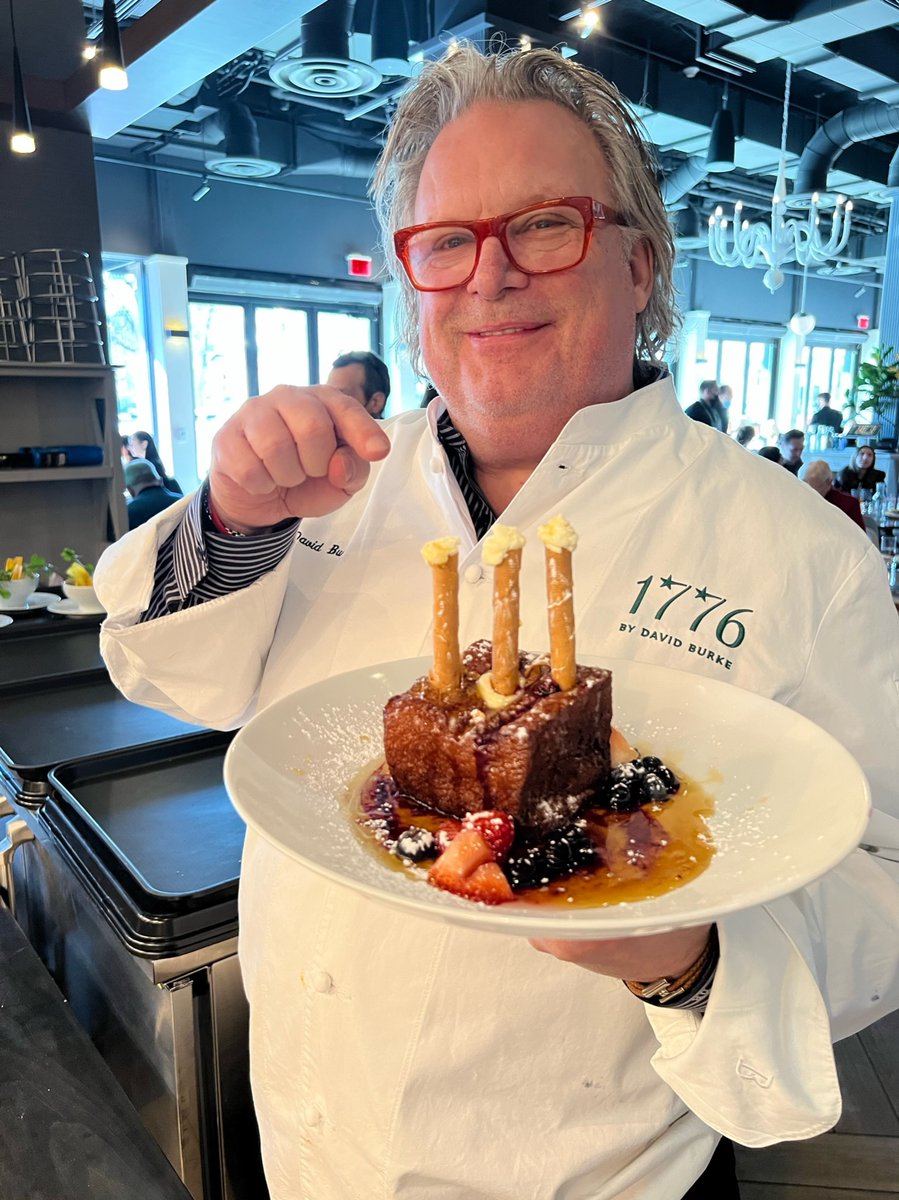
DB: [chuckling] I was sitting outside the Smith & Wollensky restaurant in Miami Beach when it first opened 29 years ago. It was late one night; I was writing the lunch menu while the cruise ships were going by. I’m looking at them and at the stacks high above the decks. Titanic was a big movie at the time. So, I was like, Titanic French Toast. That’s got a good ring to it! So, we took a loaf of bread, put a point on it at the end like a boat, soaked it in the French Toast batter, and crisped it up. We put three holes in it and stuffed it with pastry cream and raspberry jam, and we put the piourette cookies, and boy, was that a hit!
MC: French Toast is my favorite go-to breakfast dish. I’m booking a table. Seriously, I admire your innovations, such as your famous Himalayan salt drying-aging process for beef. What inspired that?
DB: I'm a tinkerer, so I'm always working on new ideas. One thing leads to another. I created a diet product years ago. I was trying to emulate the flavor of dry-aged beef in an artificial flavor powder form. I work with food scientists too, so I was working on one thing, and then our results from that one project were astoundingly negative on what I was trying to do, but it led to this other positive invention. I like to think, and I like to progress. I don't give up easily.
MC: Who influenced you to think that way, or did it come to you naturally?
DB: Parenting has a lot to do with how people lead their lives. I think work ethic and hospitality, kindness, and those things come from parenting. A lot of it has to do with how you're raised. I mean, it doesn't have to do with whether you were raised with money or not, or rich or poor, or what country. Parenting is super important, and it gets overlooked in this country.
MC: Education starts at home. And then, it goes from there. So, it's passing on your talent to the next generation. Is the David Scholarship at Brookdale Community College part of that?
DB: Yes, and we plan on building a culinary school in Riviera Beach, with plenty of scholarships for local community kids who are looking to get into the restaurant business. I want to train them and build a workforce for the local restaurants and hotels in Palm Beach County. When I was younger, a lot of people took the time to teach me, and that paid off; I won't forget them. I've also worked in other countries where I didn't speak the language, like in France, and people took the time to teach me. So I think it's part of hospitality to pass it on.
MC: Well, I think this is marvelous. Many young people today have this desire for fast fame and wealth, driven by social media trends and viral culture, and they often overlook the long-term effort required.
DB: Well said. Some young people have this “hurry up and do it this way” instead of “let's do it the right way.” I think it's important that people understand the fundamentals, the history, the geography, and the reasons recipes change throughout the decades and centuries.
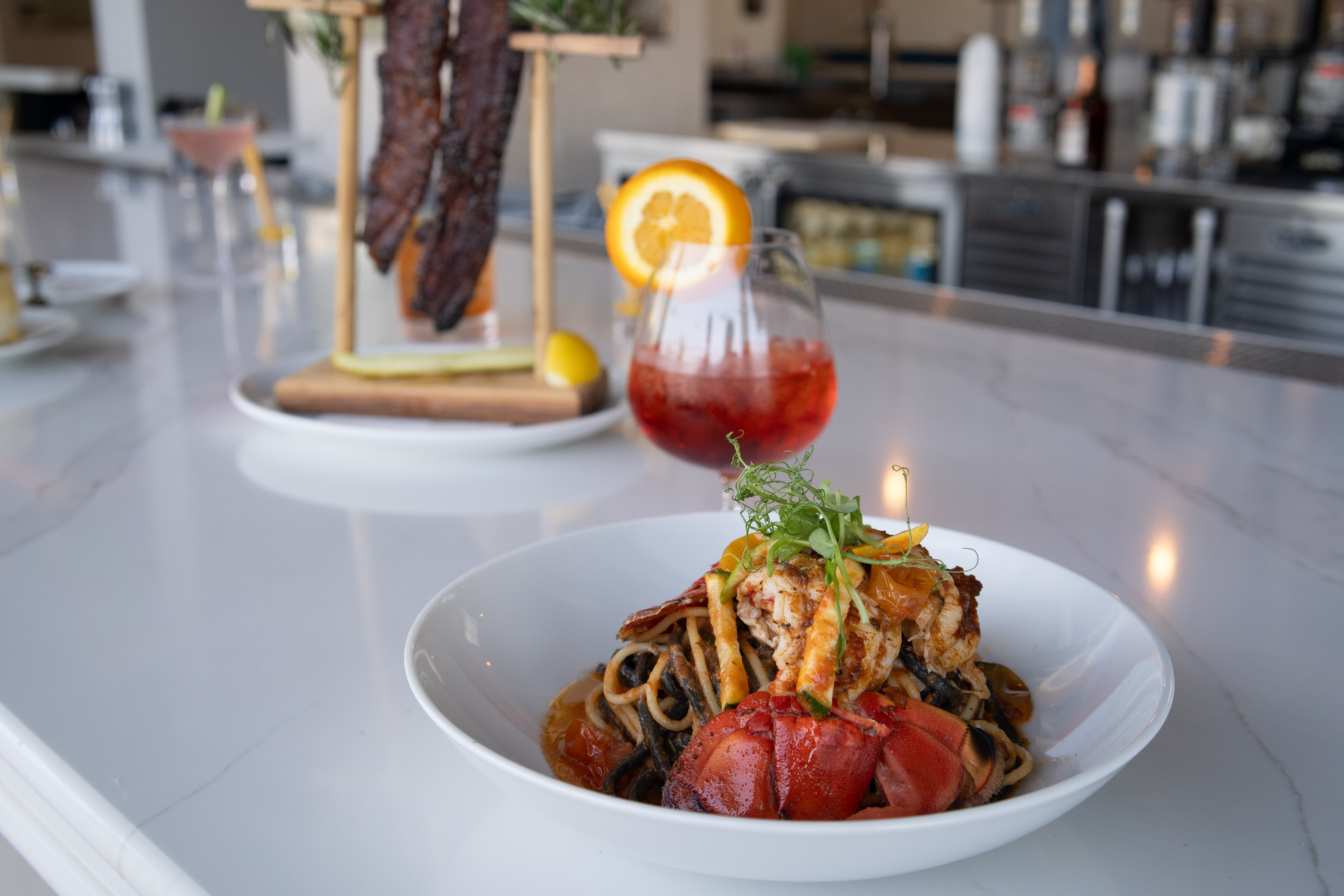
MC: The recipes for Seahawk Prime are impressive. I specifically enjoyed the fun dishes like the bacon and the lobster dumplings, and the Florida Couch Potatoes—your version of onion rings. And of course, the steak was phenomenal. What are some of your favorites? And what does the menu reflect about you?
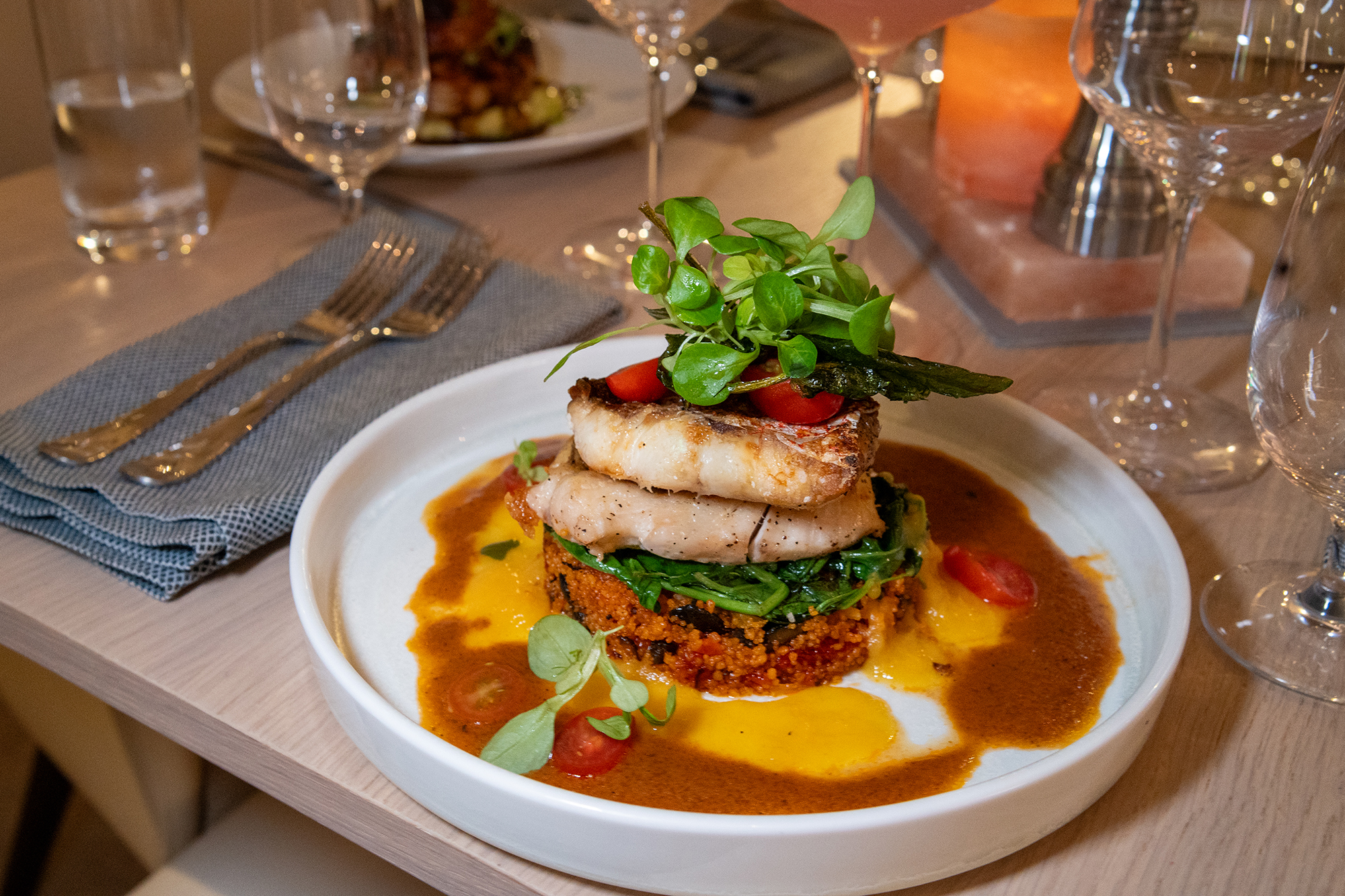
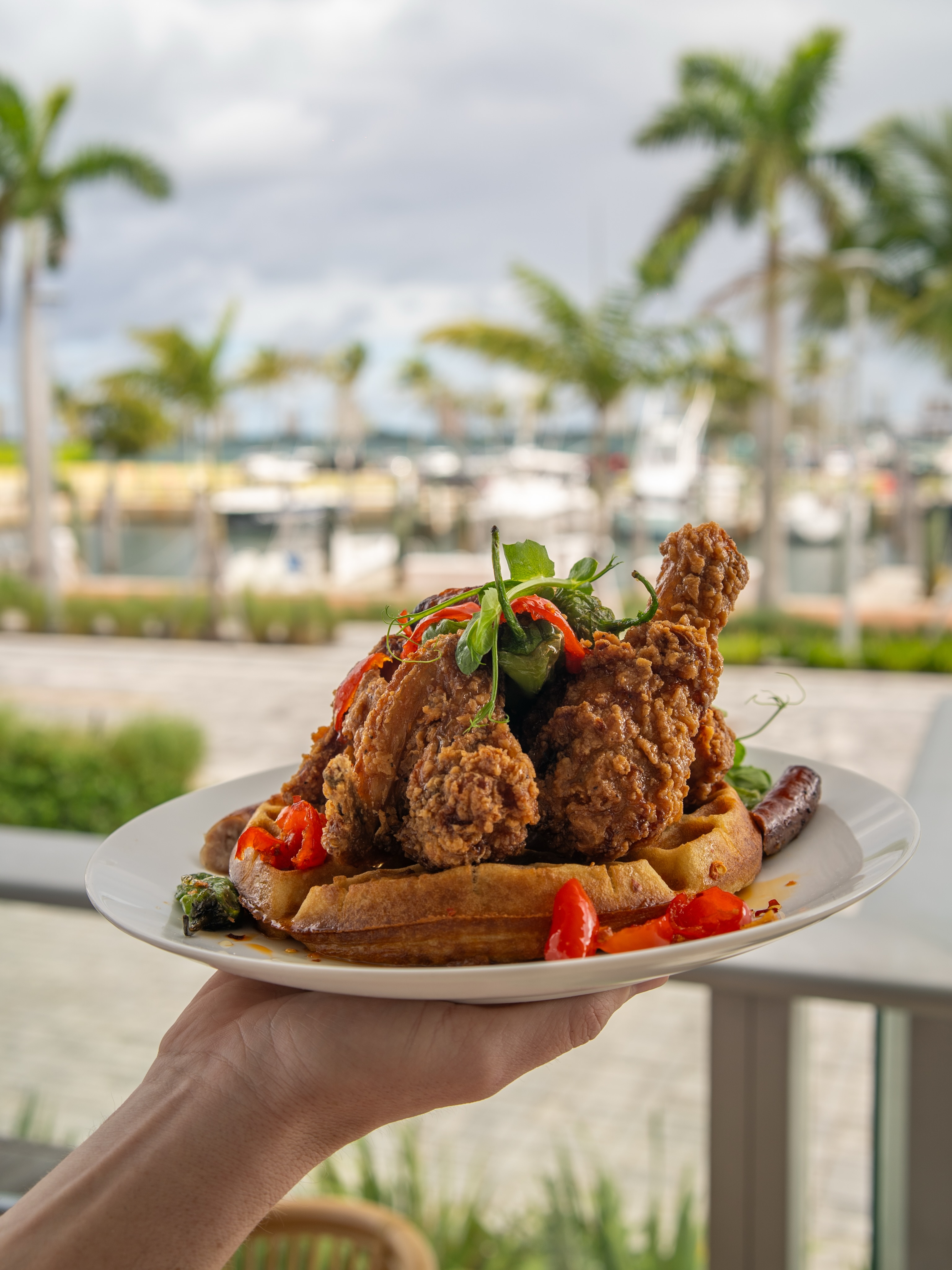
DB: The Tuna Tartare, the Branzino, and the Pork Chop topped with Jersey Shore clams. The DB Signature Roasted Chicken is fabulous, too. Of course, our steaks are patented, and something I'm very proud of. We are a South Florida steakhouse. Our menu reflects my journey, travels, and my signature dishes. Chef Pedro Avila and I make a great team. I'm a pastry chef as well as a chef. So, we have a well-rounded menu, homemade breads, and creative dishes.
MC: David, you have built an incredible national presence for what is now Dixie Lee Bakery and established the Red Horse by David Bourke, along with all the incredible restaurants you have opened in so many different locations, including Seahawk Prime and The Birdie in Florida. Now, with all of that, what is a career highlight dearest to your heart?
DB: Wow! Oh, boy! Interesting question. My first chef job was a big deal in New York City at the River Cafe. Awards are okay; they're certainly recognition or highlights. I think building and designing successful restaurants. There are a lot of highs, hard work, and lows, but I think highlights are being recognized, writing a cookbook when I was younger, and putting my name on my first restaurant in New York City—because it's also my dad's name. He wasn't very keen on me being a chef.
One of the best things I like is to see people I've trained succeed. I get calls from people who have worked for me, and then they open their own restaurant, get a good review, and send me a note saying thank you for teaching me and for the inspiration. This is such a fast-moving business that it's hard to really sit back and say, this is the real highlight. Because there's always something else to do.
I don't think you ever really peak, you know what I mean? You're kind of like, we're so ambitious to do new things. But being able to form a company and be recognized as a leader in your field is really rewarding.
MC: And what are some of the challenges in your field?
DB: The work-life balance. I have three children; they’re all grown up and married. Traditionally, chefs work six days a week, 60 to 70 hours a week, especially in the earlier days. If you're not there, the place falls apart. It has softened up, but for a chef like myself or an entrepreneur, I work a lot. The bad news about owning a business is you gotta manage it. Being a chef is a physically tough job. But it's very, very satisfying. So, yes, I think that you need to find things to balance your life. I live a healthier lifestyle today.
MC: What do you like to do for fun?
DB: I think some chefs, like myself, have a hard time relaxing, letting go of the phone. Sometimes I unplug and go to Quebec or Montreal. I'm not really a beach resort type of guy, although I don't mind it. But I'd rather go to Paris than the Bahamas.
I don't want to sit on a beach; I live on a beach. I'd like to go see some culture, galleries, and taste good food. Hold hands, walking down a city, or just go and have a coffee in a cafe in a cool little place you've never been. A place where no one knows your name.
MC: Well, David, it sounds like you're a romantic at heart.
DB: [laughing] Probably. Yeah. You’re right.
I enjoy my mornings. I like nature, music, movies, traveling, and art. I just started painting a little bit since I moved into Nautilus. I’m not great, but I like the therapy. I like to dine out and explore. Any good chef needs to eat out. First of all, you want to go see the feel of other restaurants. Watching food on TV—it's not that. When you dine out, and you're with someone you like, the experience is real. And when the food is good—you feel good. When you’re a chef, and you go to a great restaurant, you're reminded of why we work so hard.
It was a seamless start to the night as Alexandra and I sipped our cocktails and ate a couple of appetizers at The Birdie. And to our delight, the Seahawk Prime’s manager came to our table to announce: “Your table is ready at Seahawk Prime.”