Circa 1992. A new graduate of the University of Miami’s Communications and English departments lands her first writing job at Talent Times Magazine, a film, TV, music, and fashion publication based in Miami’s most celebrity- and model-trafficked area: South Beach.
One of her first assignments is to write a feature story about Florida’s film and television industry’s massive spike. A tough assignment by all standards, but she goes on to write a detailed narrative with a strong storyline entitled, “The Florida Phenomenon: Where Are We Going?” Giving her readers a broad stroke of the history of film and television in Florida in 1992…
I wrote:
As we look back on the past and contemplate the Present, the Future forms in our minds in an array of questions. To make a clear assessment of where we are headed, we discover that history does repeat itself.
It was in the early 1900's that the "Hollywood Phenomenon" began to attract a mass migration of production companies from the East. The move to a small industrial town in California named Hollywood occurred between 1908 and 1913…
The reasons why a full-scale Eastern-based industry moved its entire operation to Southern California during these years have never been completely clear, but it is generally thought that most of the independents went West to escape the proximity of the Eastern financial moguls who wanted to run the show while manipulating the $$$ flow …
By 1914, the independents had completely colonized Hollywood—and the rest is history… Today, almost 90 years later, the East Coast, and specifically Florida, has recaptured the theme of "the things that dreams are made of.”

Click here to read the full story.
The Florida Phenomenon, Part 2
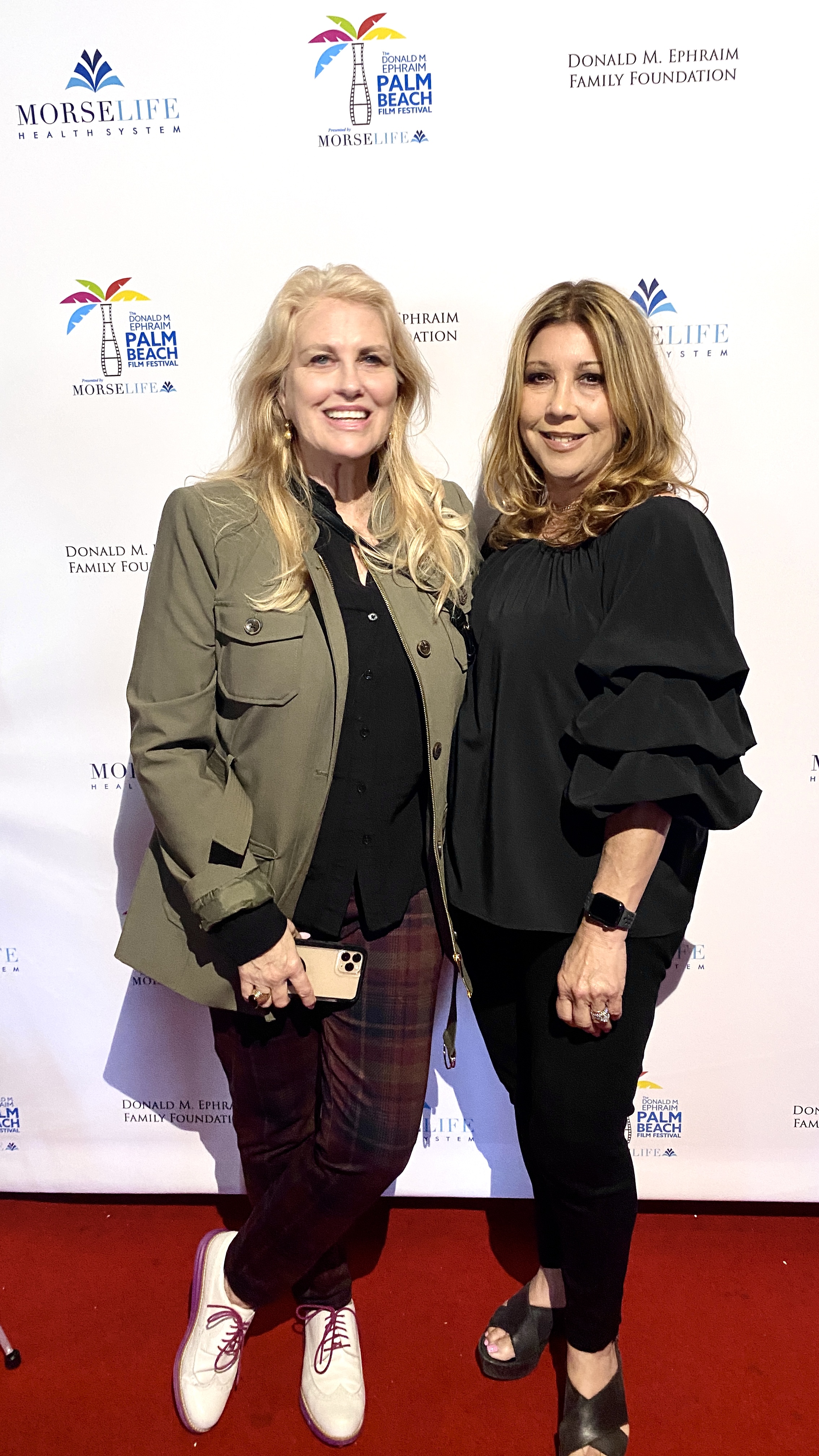
“Look at the history of filmmaking in Florida and the major cities where most of the work is happening,” says Mo Fitzgibbon, an award-winning writer, producer, and director, whom I interviewed for Talent Times Magazine around that same time.
Fitzgibbon is known for her premier work producing Gloria Estefan’s music videos early in her career in the ‘90s. She went on to garner top honors for Lifetime Television’s Intimate Portrait of Gloria Estefan’s DVD “Don't Stop,” receiving a Grammy nomination in the “Best Long Form” category. Today, with clients such as Sony, Fox, Universal, just to name a few, she continues to evolve to fulfill her ultimate creative journey as a filmmaker and a respected member of Women in Film and Television Florida.
“Location, location, location. That’s what South Florida is,” she adds. “It’s way less expensive to shoot here, tons of community, local municipalities, county incentives, rebates on services and city and county assets, which is very important if you’re shooting a film or a TV series.”
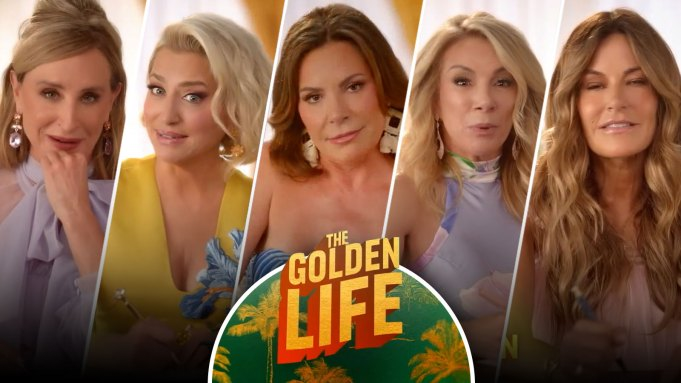
But not just the bigger screens, she adds. It seems we don’t talk enough about the abundance of production that is not a film or a TV series, like reality shows, independent films, documentaries, entertainment news magazine-style shows, multi-camera live events, podcast productions, commercials, music videos, social media digital creations, and even content by social media influencers.
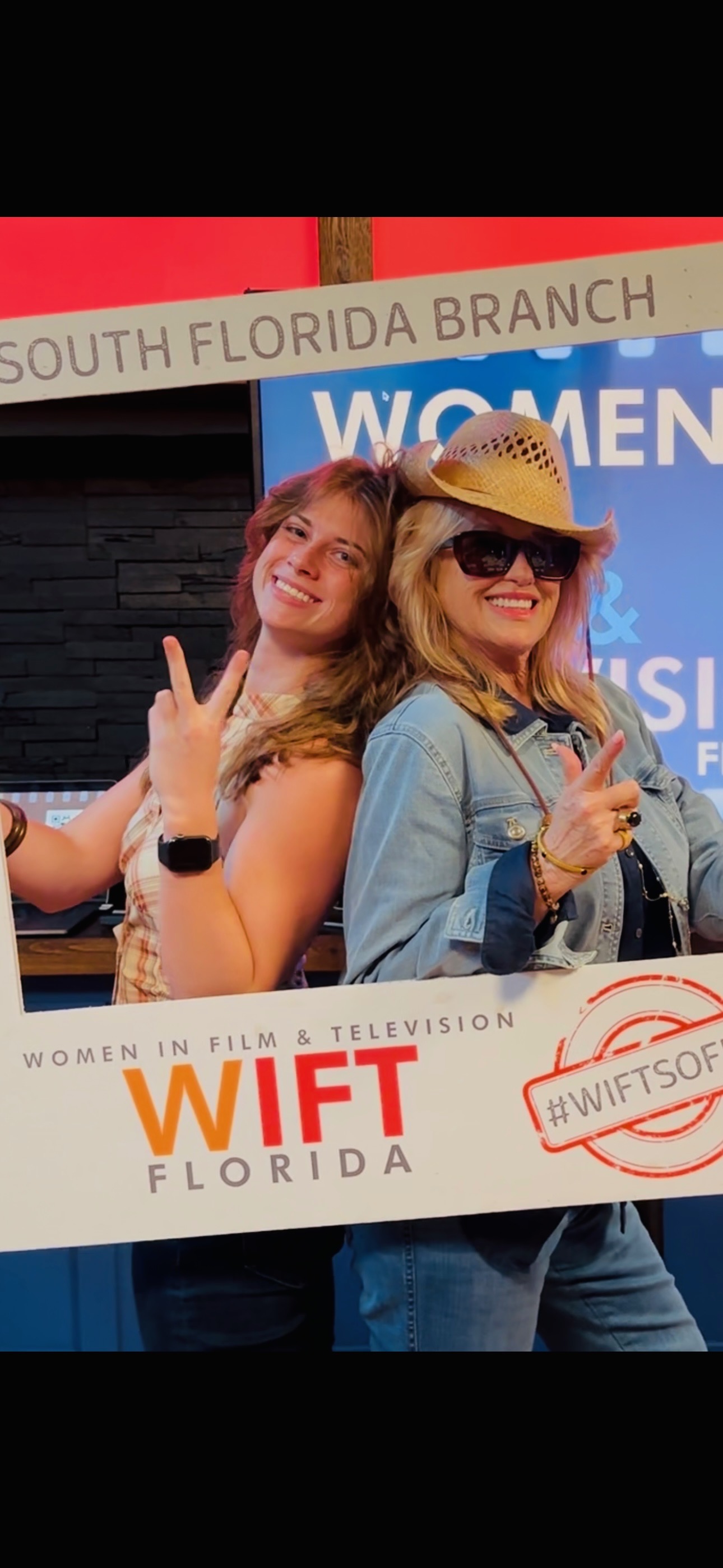
“Our industry is strong! The reason for the resurgence as a whole is on an upswing because we have come together as an industry, and our film commissioners and various organizations have pounded down our shine, so to speak,” she explains. “It begins with the promotion of the locations and the services available to filmmakers.”
And that support shows up in the numbers. The Palm Beach County Film & Television Commission (FTC) recently announced its fourth consecutive year of record-breaking production spend, exceeding $260 million in 2025. This marks a 3% increase over the previous year’s record of $253 million, and further reinforces The Palm Beaches as one of Florida’s premier production destinations.
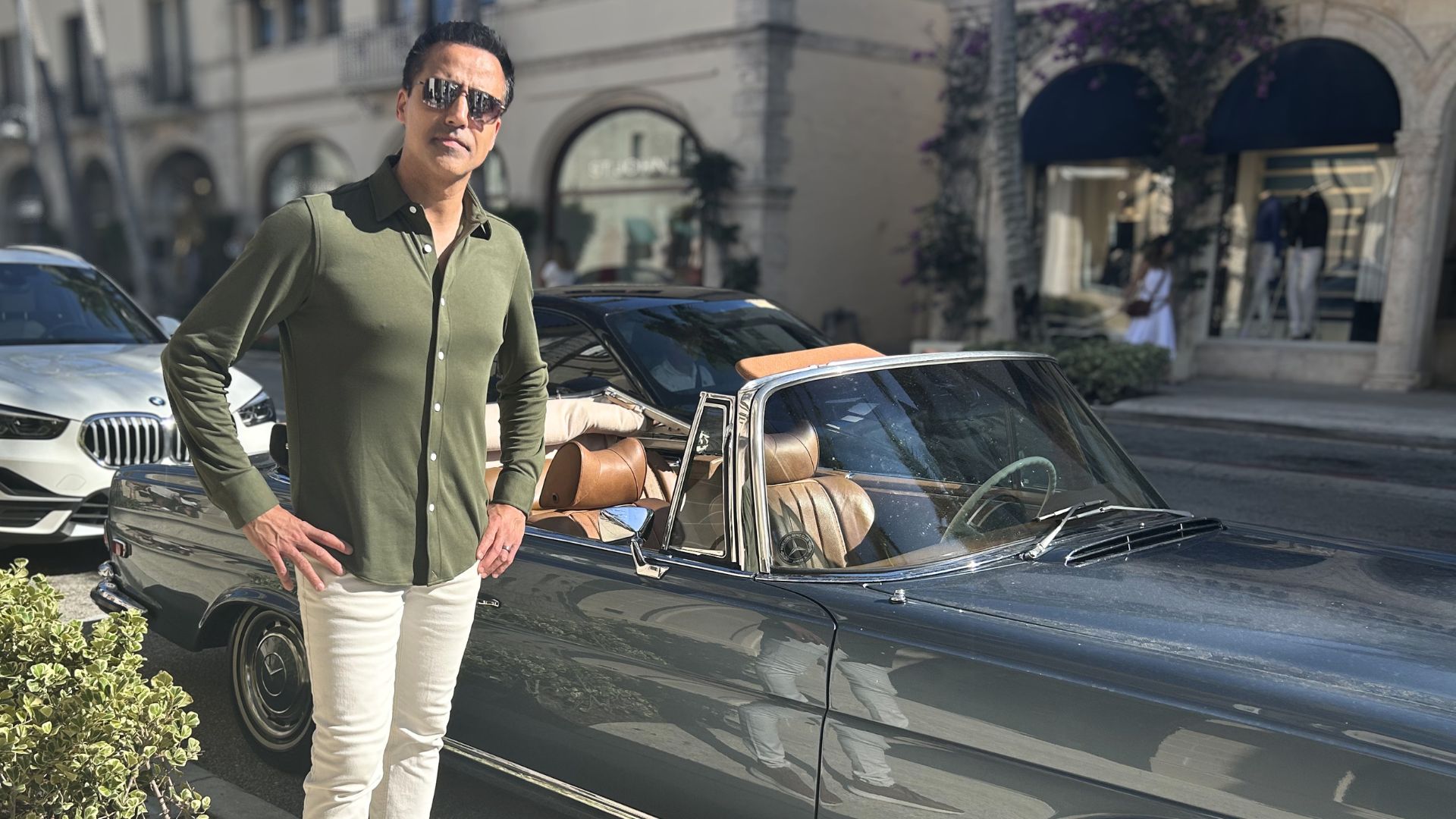
On the Town in the Palm Beaches with Frank Licari.
This milestone caps another strong year for film, television, commercial, documentaries, televised live events, still photography and digital media production throughout the County, reflecting sustained demand for the region’s diverse locations and production-ready infrastructure.
“One of the most rewarding parts of my career has been seeing Palm Beach County achieve four consecutive record-breaking years in production spending,” says Michelle Hillery, Palm Beach County Film & Television Film Commissioner. “That's the result of years of relationship-building, strategic marketing, and a commitment to providing exceptional service.
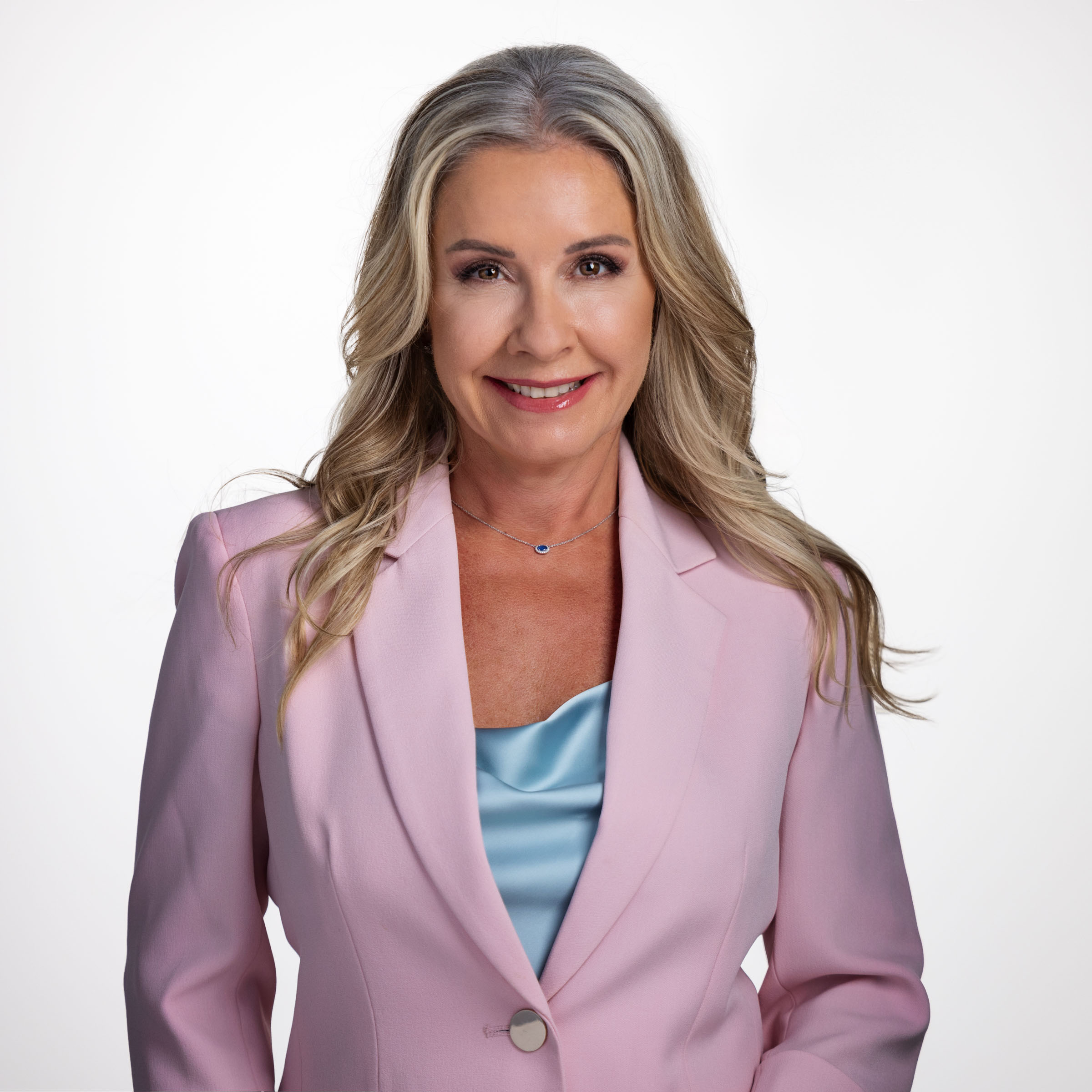
“But beyond the numbers, what makes me most proud is the reputation we've earned. Producers know they'll find a collaborative team here that is committed to helping them every step of the way. Whether it's connecting them with local resources, navigating the permitting process, or finding solutions to unexpected challenges, our staff is dedicated to making the production experience as smooth and successful as possible. That's a reputation we've worked hard to build together over the years, and it's one of our greatest strengths.”
Hillery has been with the Palm Beach County Film & Television Commission for nearly 30 years. She says it's been exciting to watch their industry grow and evolve. As Film Commissioner, her job is all about building relationships, attracting productions, and helping filmmakers navigate every step of the process when they choose The Palm Beaches.
“We work hard to make filming here as easy as possible while also coordinating with our local municipalities to secure the proper permits and ensure productions meet all logistical and insurance requirements,” she says.
One of the accomplishments she’s most proud of is launching ThePalmBeaches.TV, the County's official tourism streaming network. What started as an ambitious idea has grown into more than 140 hours of original programming that showcases the incredible people, places, and experiences that make Palm Beach County so special.
“It's also created new opportunities for the local production community and small businesses, and expanded the visibility of our destination to audiences around the world,” she adds.
Recently, The Palm Beaches TV launched “Historic Hotels in the Palm Beaches,” hosted by Theo Dorsey, as he journeys from Boca Raton to the island of Palm Beach and gets an insider's look at the iconic places that helped shape Palm Beach County, Florida, into a world-renowned resort destination.
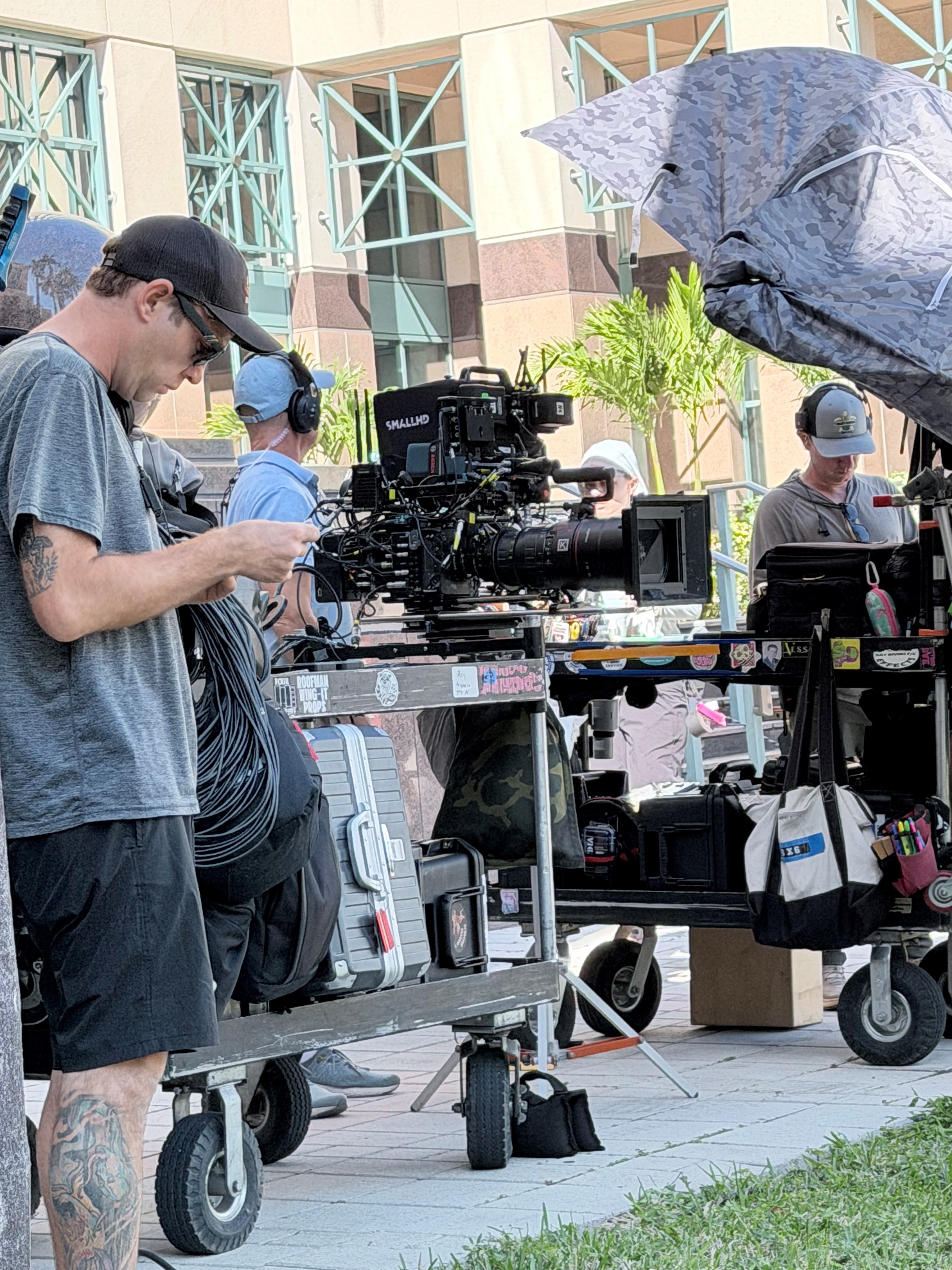
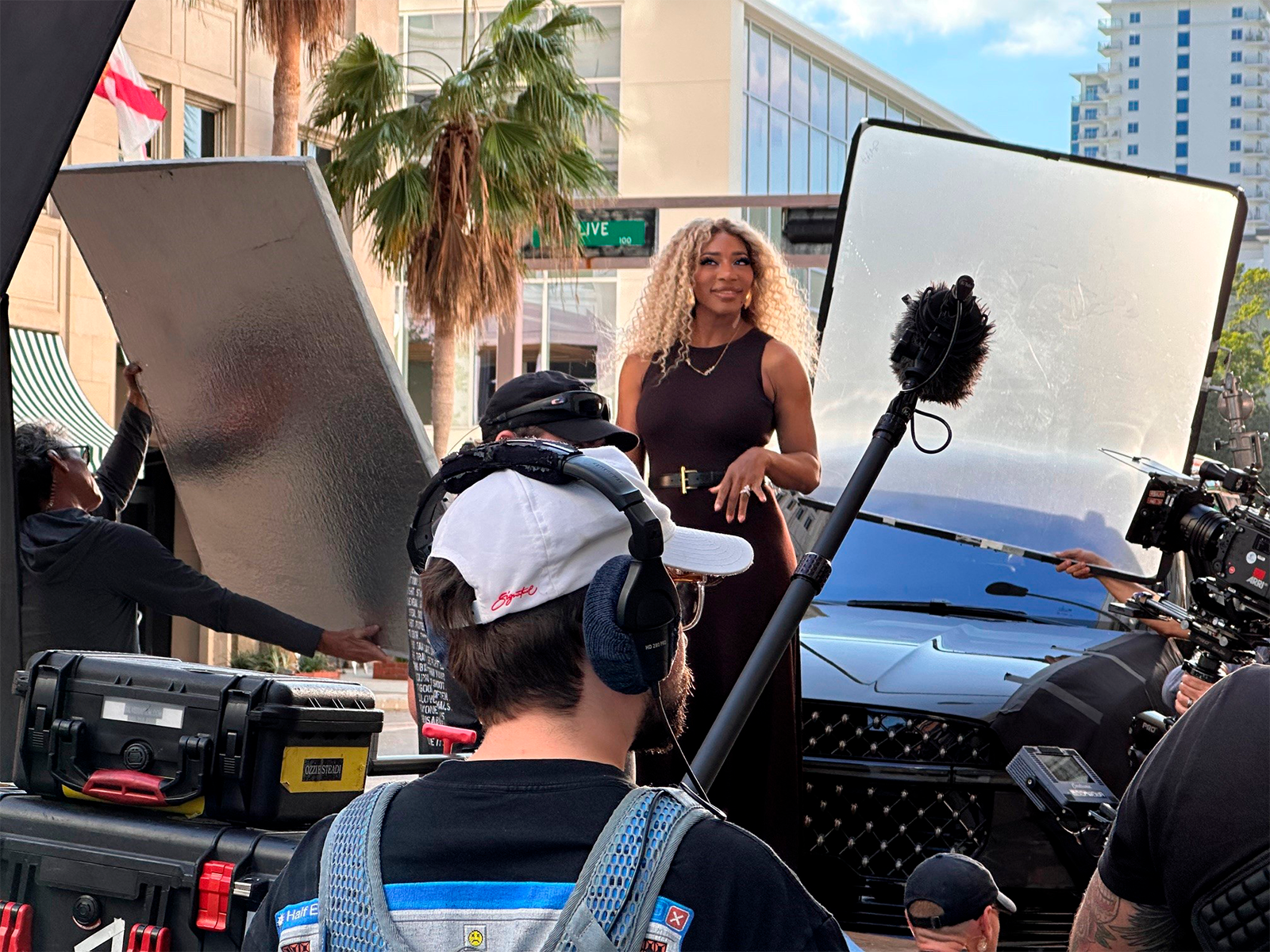
Every project—from the upcoming E! series, The Golden Life, to Netflix's Members Only: Palm Beach, ABC's RJ Decker, national campaigns featuring Serena Williams, and digital creators like MrBeast and IShow Speed—helps introduce millions of people to Palm Beach County.
Beyond the celebrity factor, productions support local hotels, restaurants, small businesses, and freelance crews. In 2025 alone, Palm Beach County welcomed 602 productions, generating 20,055 hotel room nights and creating opportunities throughout the community.
New Incentives to Film in Miami-Dade
Cities like Miami continue to rise as the leading lady. With its unique local views like the Everglades National Park and Art Deco streets, and its exotic and eclectic Latin flavor, it has been identified as an excellent place for filmmakers who crave a thriving, culturally diverse, and top-notch community of creatives.
It’s also worth noting how aggressive the local landscape has become for film incentives, particularly at the county level. Miami-Dade County has almost 30 rental houses to choose from, including HD House, and the many notable local post houses include Accord Productions and Alacran Studios in Miami Beach.

Miami-Dade County has a TV, Film and Entertainment Production Incentive Program geared toward small and mid-sized projects. If a production spends at least $500,000 in Miami-Dade County, it is eligible to get a maximum of $50,000 back as a cash rebate. If it spends at least $1,000,000, it can receive up to $100,000 back.
Additionally, Miami-Dade County is launching a new incentive program geared toward large productions called the High Impact Film Fund. The grant program, designed to recognize projects that will bring the highest return on investment to the county, offers a 20% cash rebate to productions that spend at least $5 million locally. It has also allocated a total of $50 million to the program over the next five years.
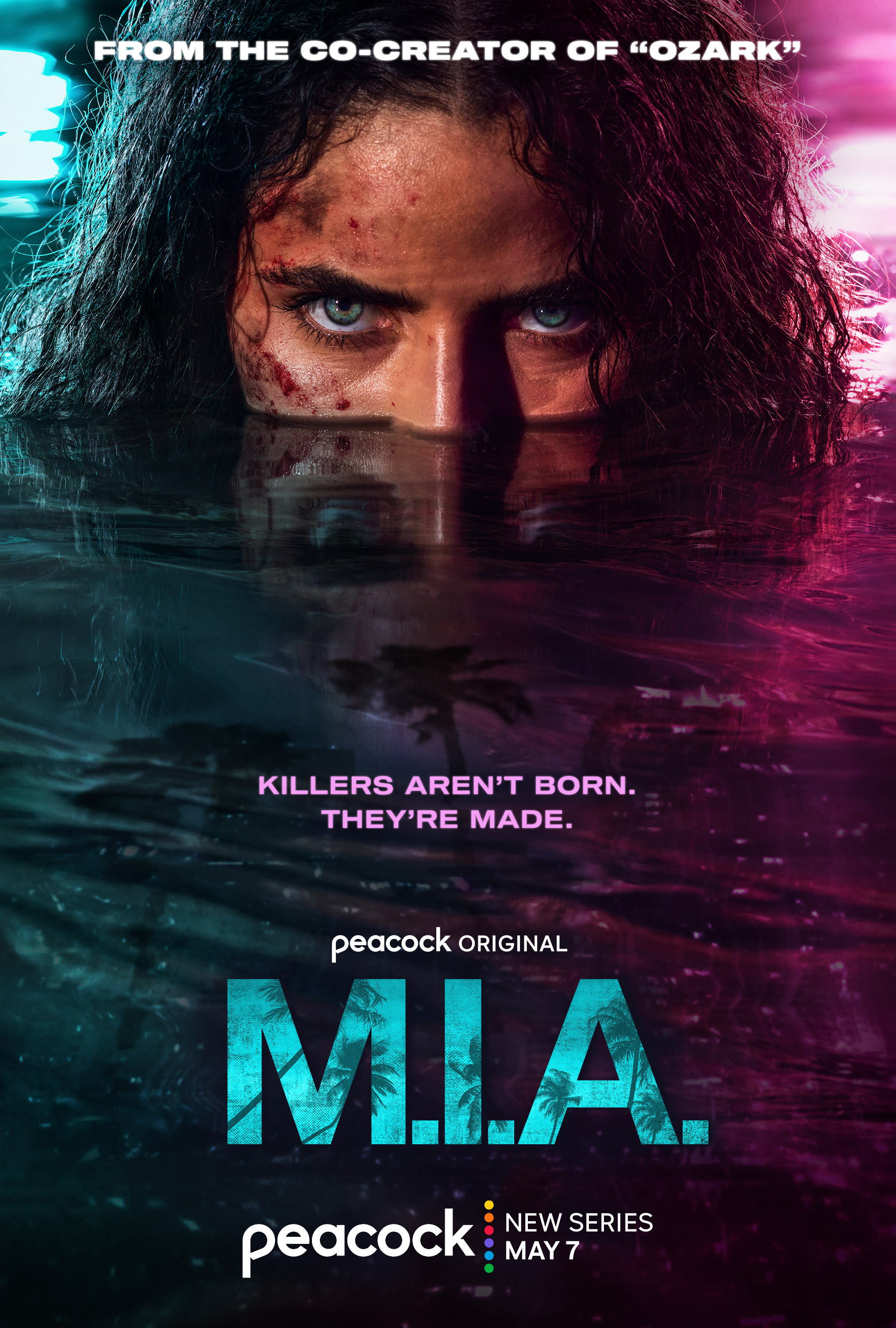
Recent projects filmed in Miami include Peacock’s new crime drama “M.I.A.,” which premiered on May 7. The 9-episode series is an intense, location-rich dive into Miami’s criminal depths.
Watch the trailer.
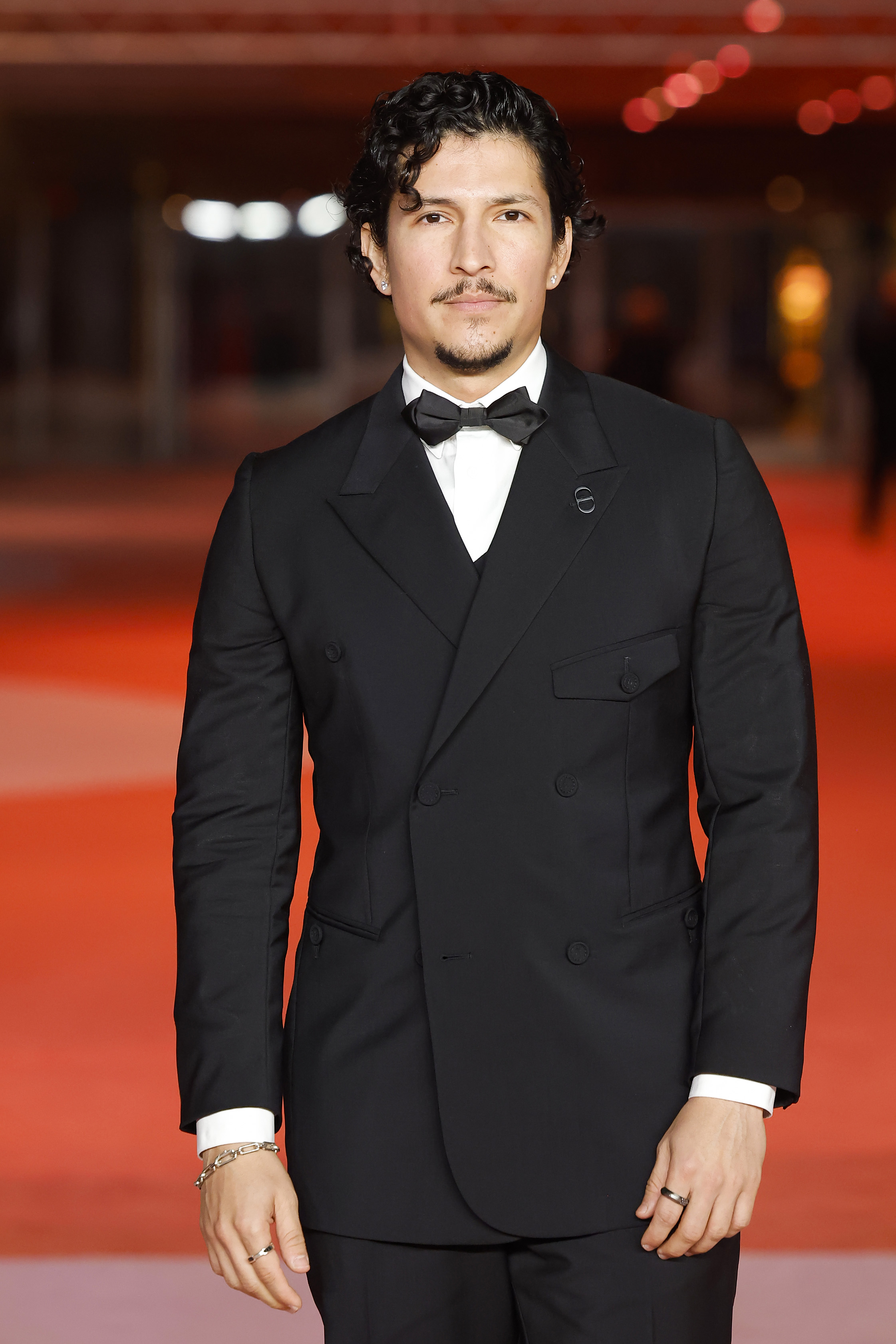
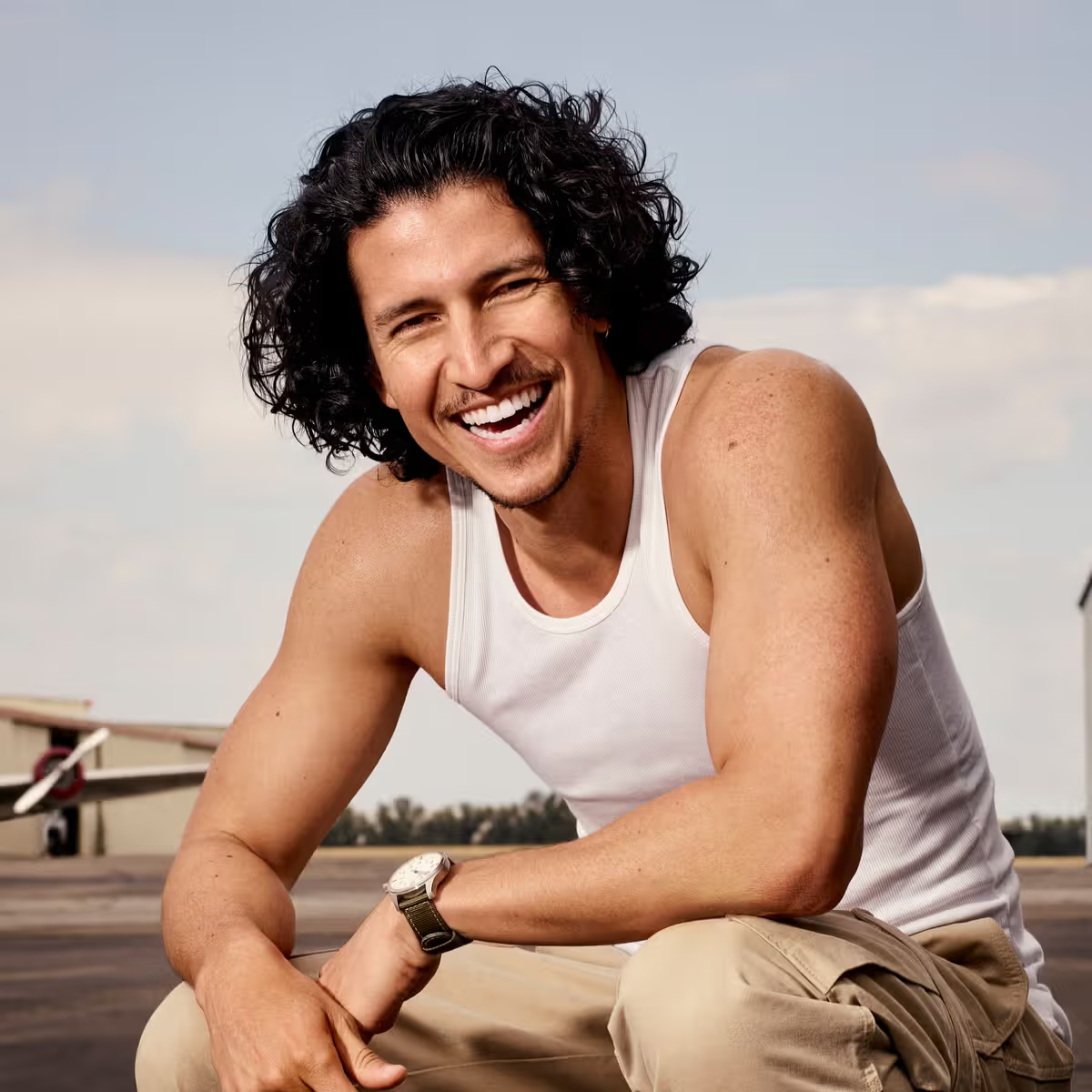
DC Comics’ Blue Beetle, HBO’s A Missed Connection, along with Spanish-language content from Miami’s Telemundo Studios, commercials and independent films such as “Baton,” from writer-director-star Danny Ramirez, who was repped by Manifest Pictures at Cannes.
Rise of Florida-Based Opportunities for Actors & Production Crew
Since that initial migration from the East to the West (to Southern California in the early 1900s, generally speaking), the most obvious places for filmmakers to live and work are Los Angeles and New York City, in terms of their huge film and TV industry presence, endless networking opportunities, and full-hearted embrace of cinematic culture.
And while Hollywood and New York have always had an interesting work relationship with Florida’s local talent (they often bring their own), that dynamic is also changing.
“While larger productions still travel with key cast and department heads, we're seeing many more productions hire local crews because South Florida has built an incredibly talented workforce,” explains Hillery. “Technology has also made it easier for our professionals to work on projects across the country while continuing to call Palm Beach County home.”
We're also seeing more opportunities for local actors. A great example is Palm Beach County's own Melodie Rose Romano, who appeared in ABC's RJ Decker. “She joined us as a guest presenter at this year's Palm Beaches Student Showcase of Films, inspiring students by showing them that a career in entertainment can begin right here at home,” says Hillery.
This growing Florida “crew base.” But where is this talent coming from, and who’s training them?
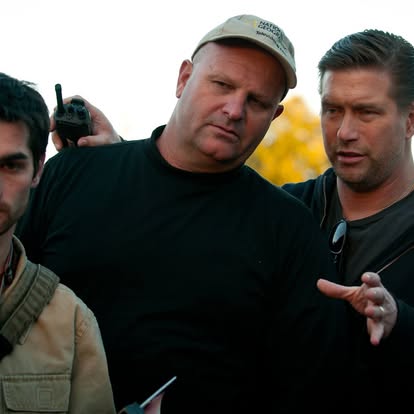
Fitzgibbon provides some key insights:
“The crews are coming from professionals within our state who are veterans and professionals with major credits who actually work on every major film shoot in the state and city, including their own. The impression is we don’t have people; not true,” she says. “A top lighting director I work with is flown around the world to light many films, and he was born and raised here and built his business here like me. We've been established for over 30 years.”
Others, like the Klein Family, headed by Jordan Klein, Sr., a two-time Academy Award-winning cinematographer/director who passed away in 2024, have left a film industry legacy of over 60 years, enticing producers back to the Sunshine State.
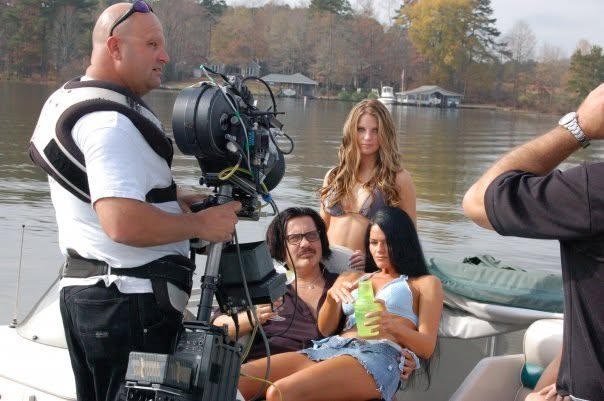
He trained his son, Jordan (Jordy) Klein Jr., who, after years of working as a camera assistant with him, has become a legendary aerial and aquatic cinematographer and owner of Jordan Klein Film & Video and Xcam Aerials Inc. near Ocala, Florida.
I first met Jordy in the summer of 1992. I wrote the feature story, “Beam Us Up, or Down, Mr. Klein,” that ran in Talent Times Magazine.
I loved writing his story about how he grew up on a movie set working with his dad as a camera assistant for many years, and how one day he got his big break on the movie Splash, starring Tom Hanks and Daryl Hannah. When Director Ron Howard wasn't happy with one of the camera operators, he asked Klein Sr., “Hey, why don't we give your son Jordy a chance to operate the camera?”
And just like that, Jordy moved up the ranks from Camera Assistant to Camera Operator.
Over his career as a cinematographer, Jordy has shot numerous movies, commercials, documentaries, and industrial films for clients such as CSI Miami, One Tree Hill, HBO, Netflix, Disney, Universal Studios, and many more. He has traveled all over the world for work, but always comes back home to Florida, where his wife, Arlene Klein, who played the pretty double in Splash, is waiting for him.
“I’m still shooting up or down,” he chuckles. “Not much has changed since you wrote that article other than the fact that I've become an ASC, American Society of Cinematographers, which there are only a couple of in the State of Florida. As a second unit DP or director, I get called for numerous projects. They say, ‘Okay, here's the shopping list of shots that we need.’ Sometimes they'll send a producer down to manage us, and I just run the crew.”
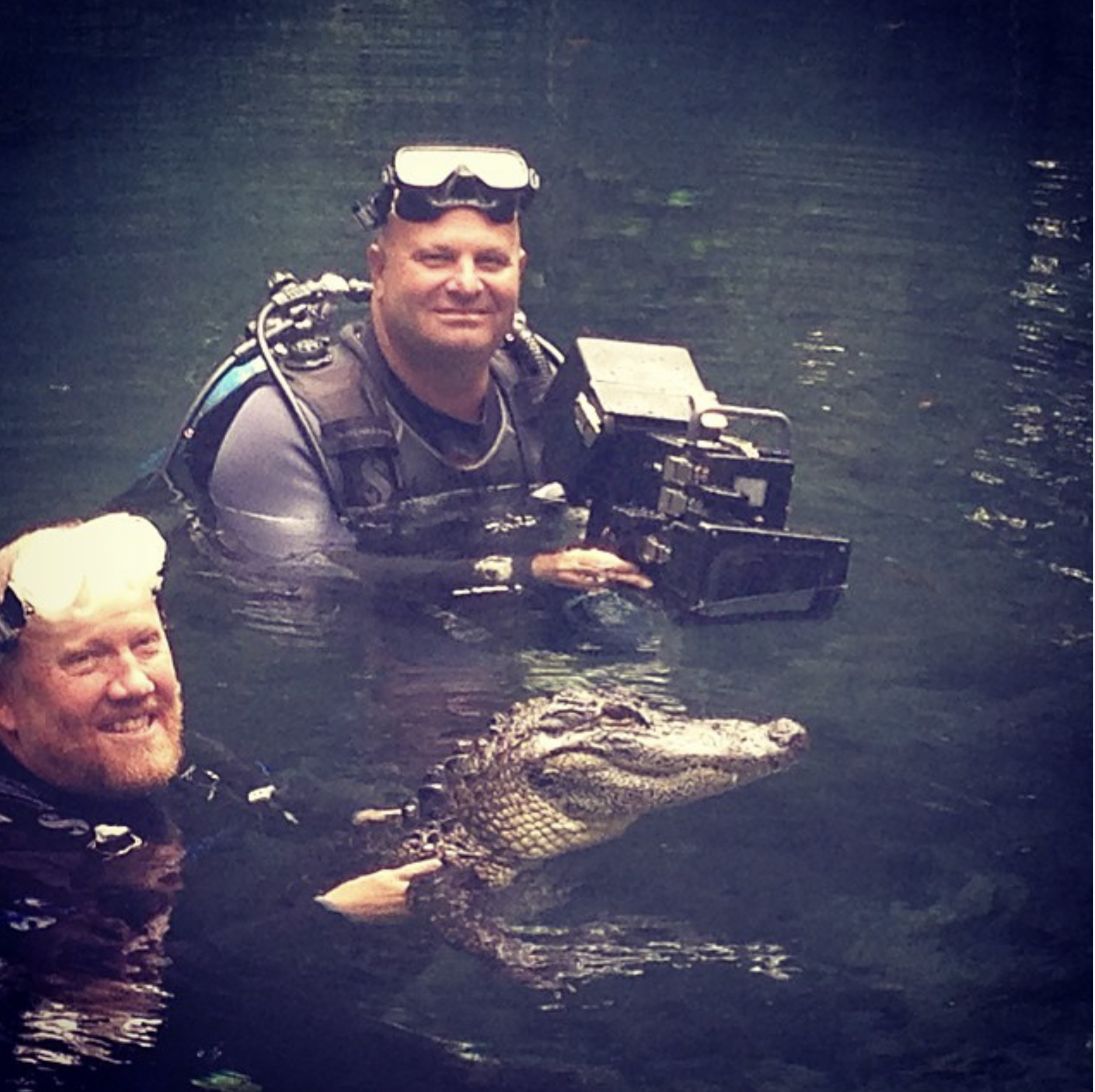
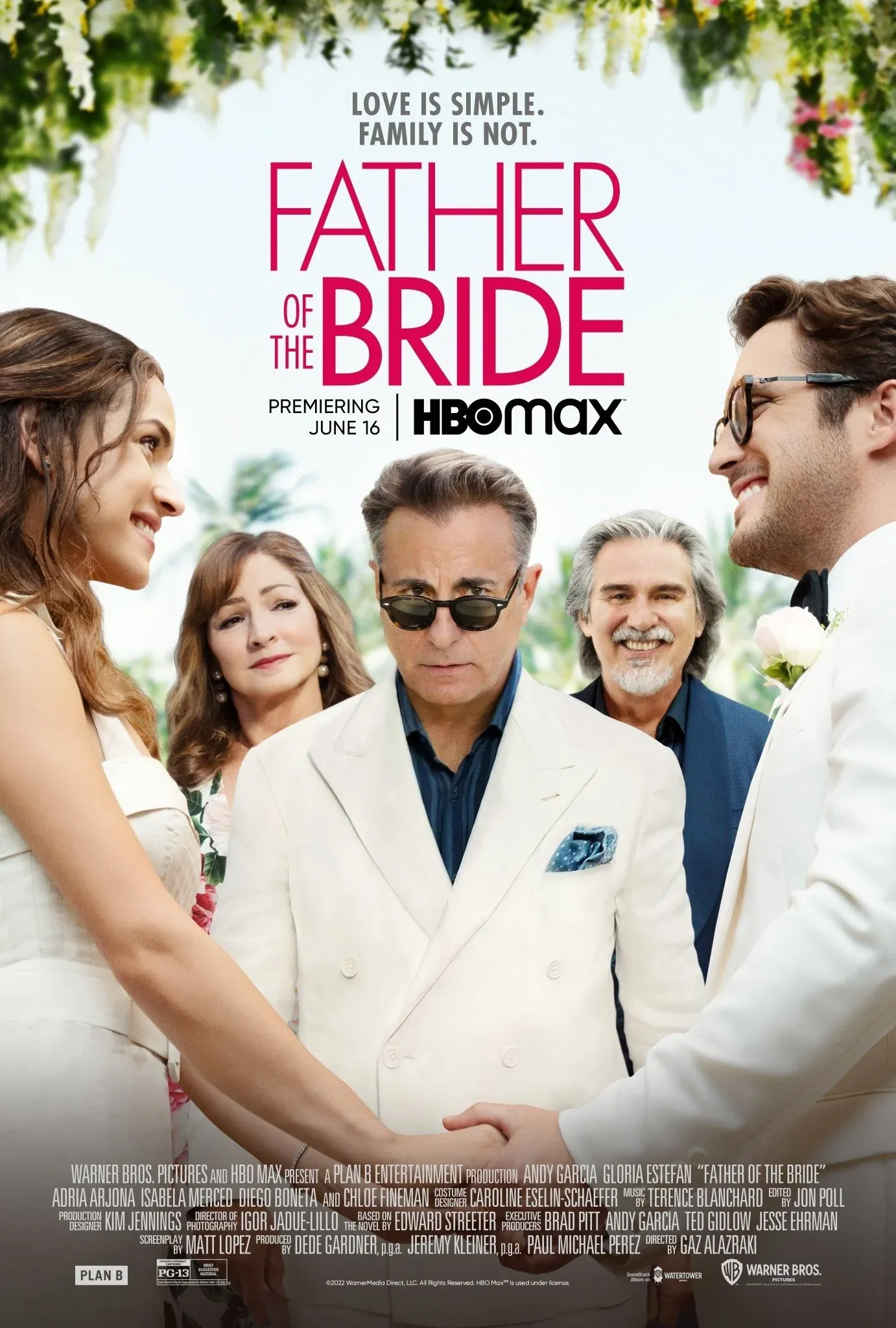
Most of Jordy’s projects consist of aerial or water shots, but sometimes he gets dialogue work, as in the case of Charlie's Angels and Father of the Bride, starring Andy Garcia, Gloria Estefan, and Adria Arjona, where he worked as a camera operator on first unit.
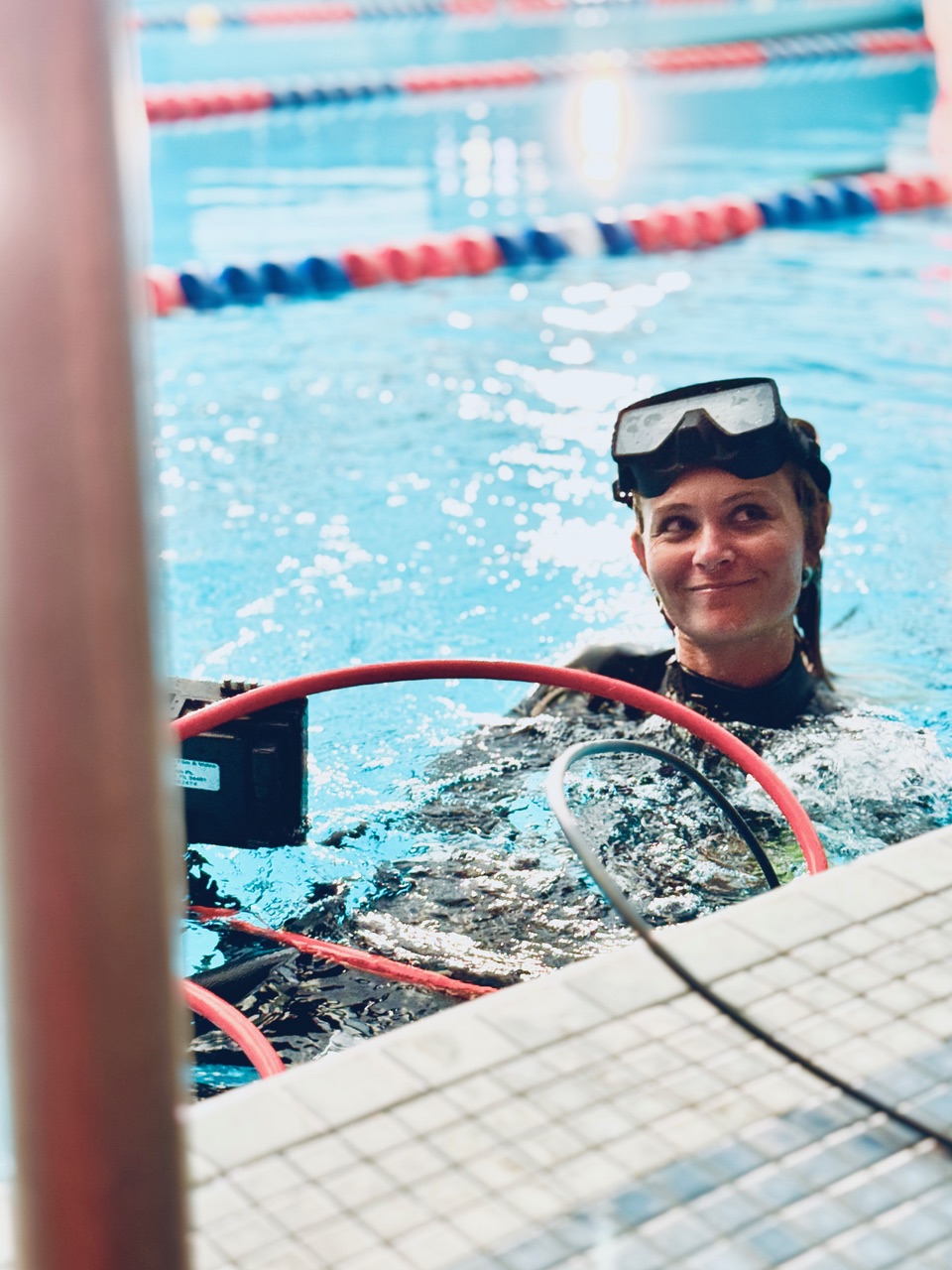
Like his father, Jordy has trained his daughters, Elle and Rossi, to become cinematographers. Last year, he was hired to shoot for the Army, Navy, and Marines for their 250th anniversary.
“We spent a week on the USS George W. Bush, on the aircraft carrier, filming and flying the jets and helicopters,” says Jordy, who went on to Panama City with his daughter Elle, who shot with one of the underwater cameras while he was operating another.
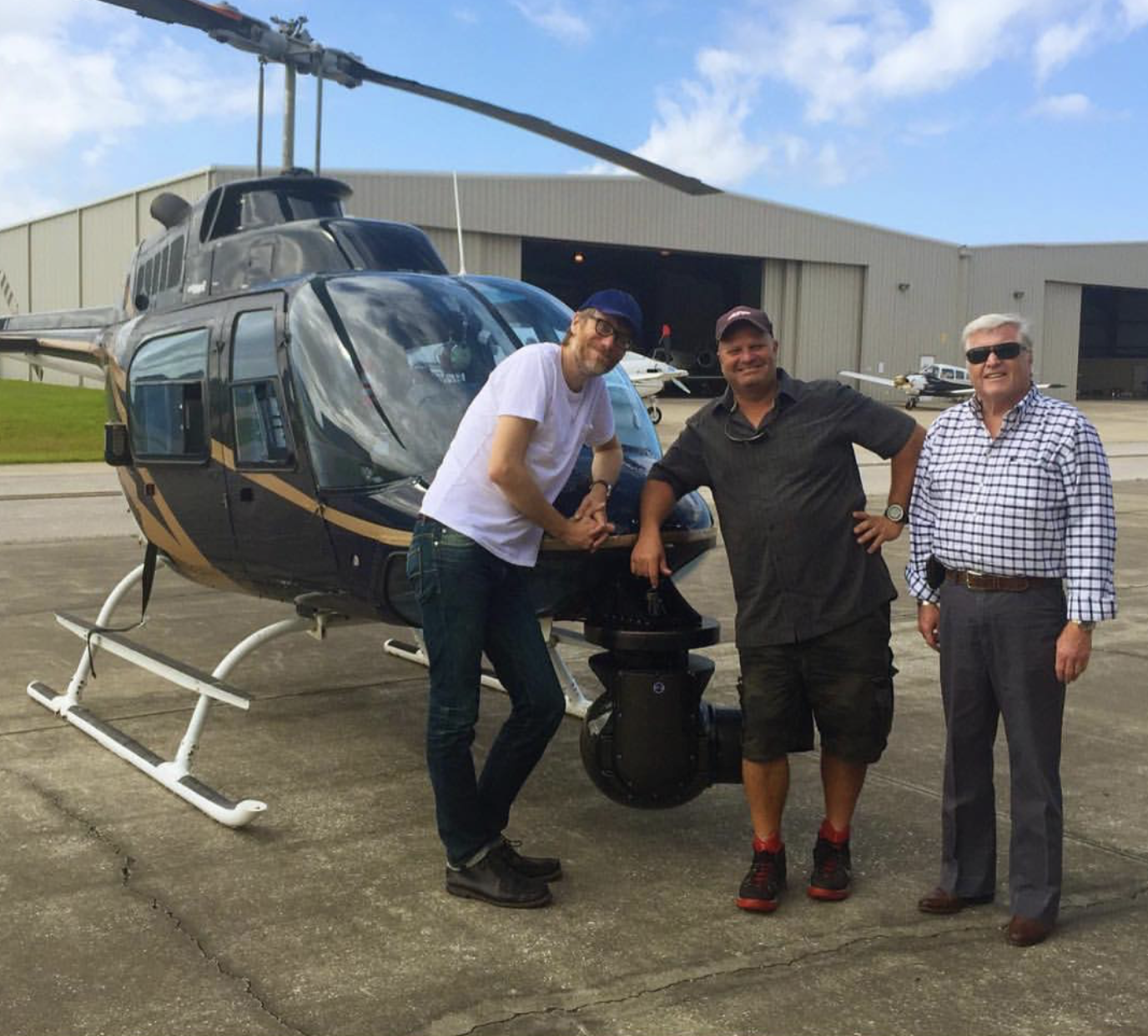
They needed to mount a big camera on the UH-60 Black Hawk helicopter, so Rossi, a mechanical engineer, and Elle designed and fabricated a bracket that went on the front of the Black Hawk. After taking it to Jacksonville for non-destructive testing, they flew over 100 hours, traveling all around the country filming with their 100-pound camera, called CineShot.
When it comes down to it, Jordy’s generation is the driving force on the sets.
“For producers, if you've got millions of dollars to make a movie, you're gonna want people that have a track record,” he says. “So, we need experienced younger people on the set who can work with people of my generation, who are involved in the key decision-making. I talk to a dozen people a week and try to help them by bringing them on jobs with me.”
Florida Colleges & High Schools: Another Training Field
The biggest film schools in the state—University of Miami, Full Sail, University of Florida, Florida State University, and South Florida University—are preparing a new generation of innovators, storytellers, and leaders to succeed in film, television, and digital emergent technologies—and producing incredible filmmakers. The new generation is coming back to set up shop, and that is the goal: to raise them up from where they started, bring them home, and build their production companies here in their hometowns.
Several high schools across the state offer dedicated film, television production, and broadcasting programs, including Palm Beach Gardens High School, Seminole Ridge High School, and West Broward High School. These career academies and magnet programs allow students to gain hands-on production experience and industry certifications. They also offer hands-on experience and shadowing programs with industry experts.
But that’s not all.
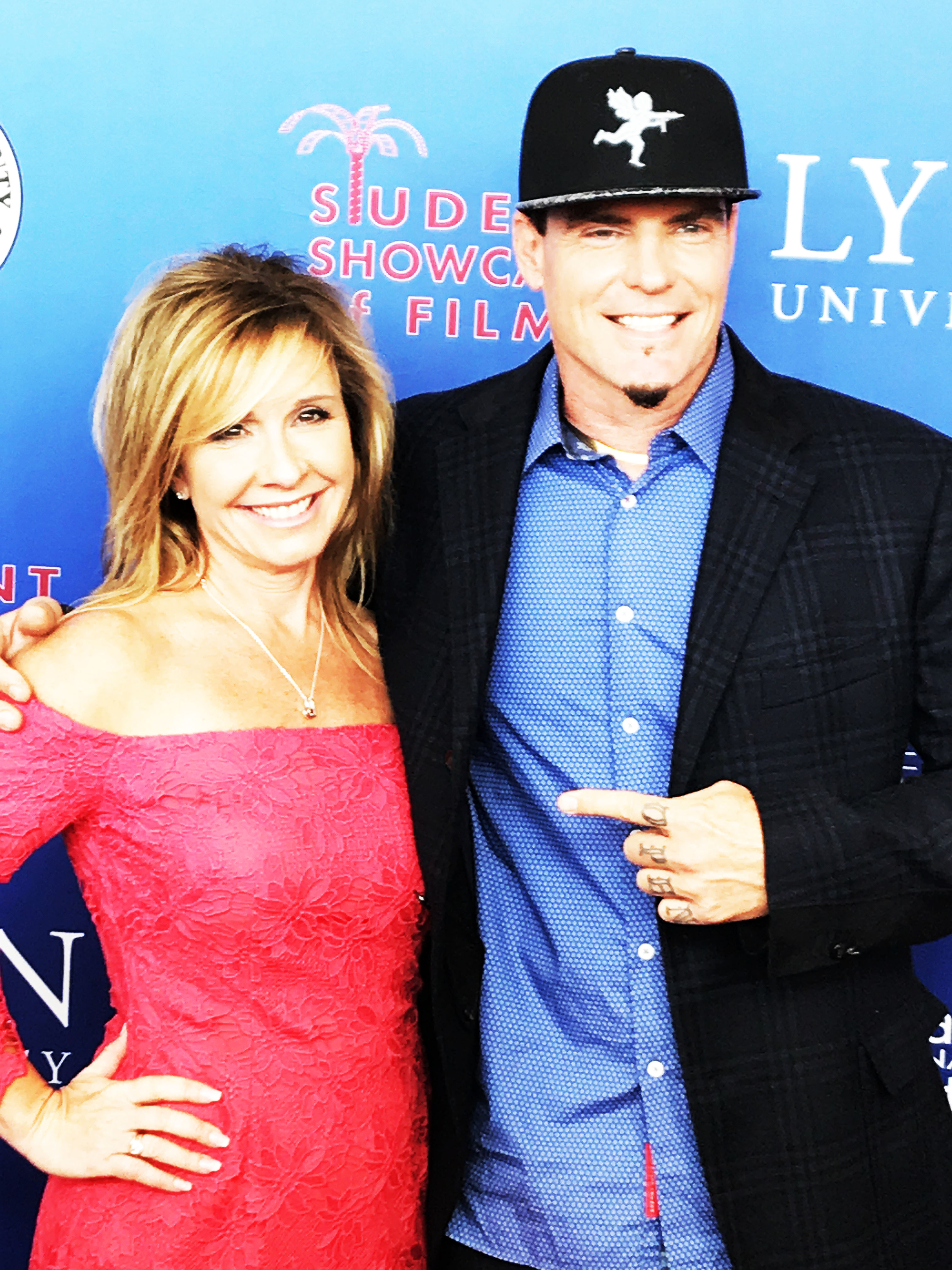
“Investing in the next generation is one of the most important things we do,” says Hillery. “Education is one of our three strategic pillars because attracting productions is only part of our mission.”
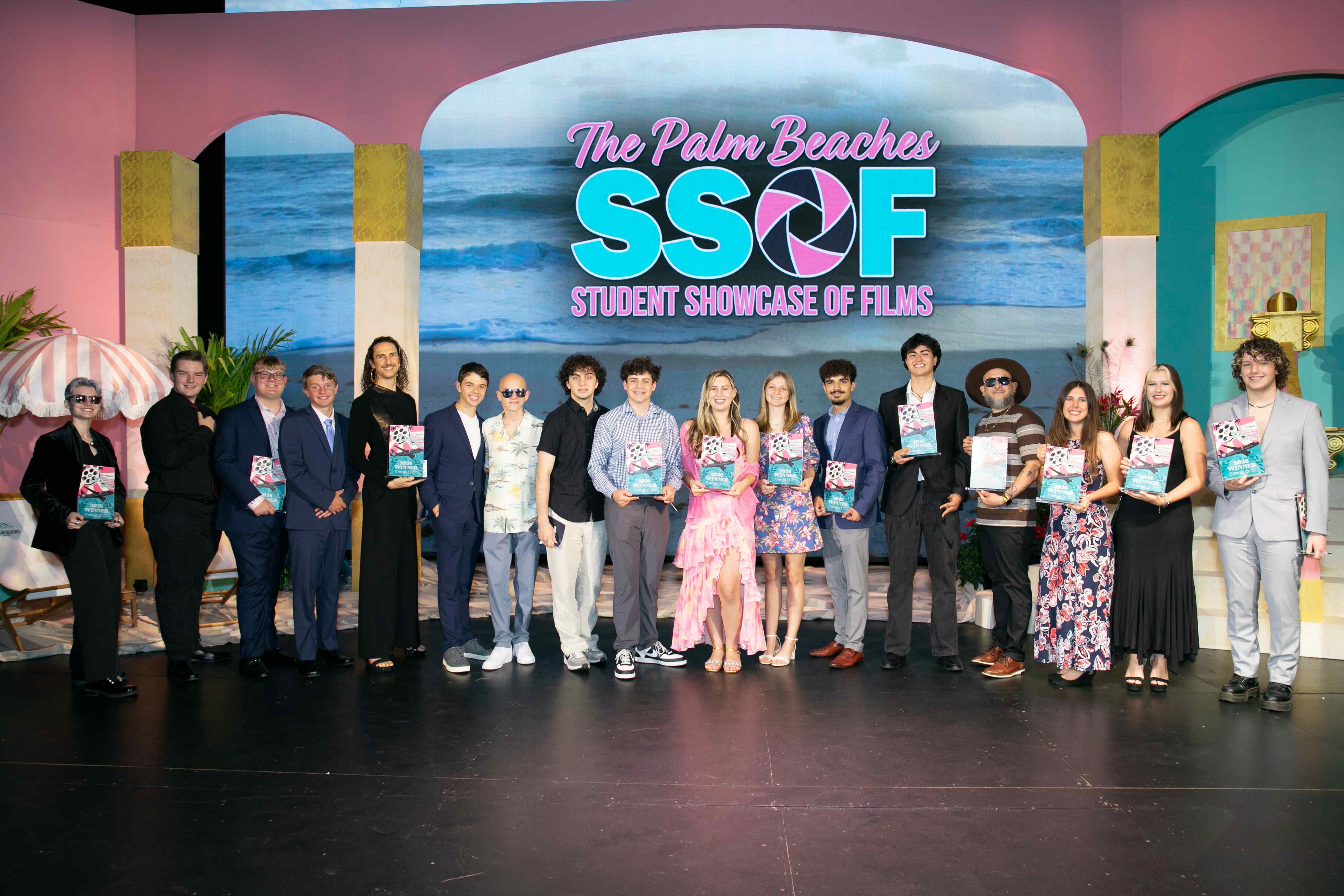
For more than 30 years, the Palm Beaches Student Showcase of Films has inspired students to explore careers in filmmaking and digital media, awarding more than $4.5 million in scholarships over its history, including more than $30,000 annually in scholarships and prizes today.
“We also work with schools, colleges, and industry professionals year-round to help students discover the many opportunities available in our industry. Our goal is simple: to inspire the next generation and help them build successful careers right here in Florida,” she adds.
Where are we going next in the Florida film & TV industry?
The Florida Phenomenon is evolving fast, just like the rest of the visual arts industry. Traditional studio formulas have given way to fresh and unconventional storytelling, leaving room for the Indie Film Boom. Young creators are breaking through via festivals like the annual Florida Film Festival, held in Maitland, Florida, and the Sundance Film Festival, held in Salt Lake City, Utah, launching low-budget, dialogue-driven hits.
Technology is transforming blockbusters, while videos are raising a new kind of educated movie director. But the power shift has become the greatest tool for Florida’s filmmakers, as control has moved from strictly studio executives toward writers, directors, and producers with unique artistic visions. Knowing how to promote the produced work is key.
“This is a new media world,” concludes Fitzgibbon. “Whether it’s shorts, reels, and social media distribution, creating your own channels and own programming is the way of the business. Traditional Hollywood is crumbling. Studios are being sold, and Digital Creator is the new name for a filmmaker.”
#FloridaFilmmaker
Don’t miss the next story in the Made in FLA Series:
- Women in Film & Television Florida, which drops on August 10, 2026, on MAC-MAG.